Saudi Gets First Rice Produced by Locals Abroad
- Reuters
- 27 January 2009
Saudi Arabia, one of the world's biggest rice importers, has received the first batch of rice to be produced abroad by local investors, state news agency SPA reported on Monday.




Saudi Arabia, one of the world's biggest rice importers, has received the first batch of rice to be produced abroad by local investors, state news agency SPA reported on Monday.
King Abdullah received today Saudi Arabia's Minister of Commerce and Industry accompanied by two Saudi businessmen Mohammad Hussein Al-Amoudi and Abdullah Hassan Al-Masri on the occasion of the arrival of the earliest produce of their rice to the Kingdom.
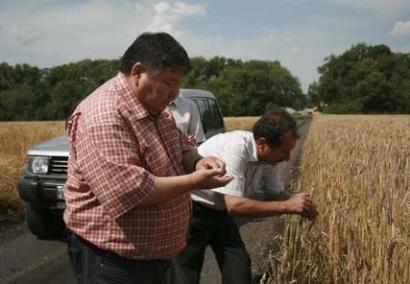
"We are seeing a land grab bigger than anywhere else in the world, and it has attracted a mighty cast of characters," says Kingsmill Bond, chief strategist at Troika Dialog, a Moscow brokerage firm.
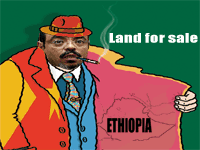
Just how much security the new land investments may provide countries and corporations remains uncertain, experts say. Future governments in countries now renting or selling land may well fail to abide by deals their predecessors cut, particularly if they face food or land shortages at home.
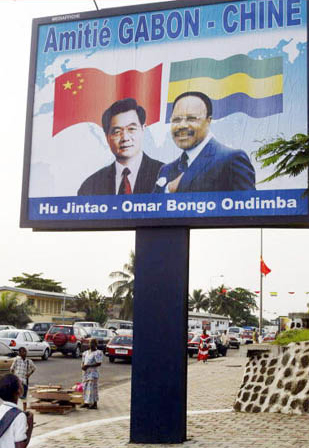
The initial welcome given to rich countries’ investment in African farmland by agricultural and development officials has faded as the first ventures prove to be heavily weighted in favour of the investors. The FAO warned of such a trend when it said this year that the race to secure farmland overseas risked creating a “neo-colonial” system.
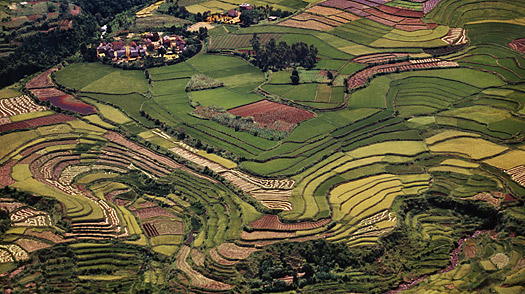
South Korea's Daewoo Logistics will plant corn in Madagascar, a company official said on Tuesday, with a long-term aim to replace more than half the corn it currently imports from mostly the United States.
Due to the lack of arable land in its home market, Savola must look abroad for agricultural land and has named Sudan, Egypt, Ethiopia and Ukraine as target countries where it plans to buy the land necessary to grow seeds such as sunflower and corn seeds.
Arabia is phasing out its domestic wheat growers and seeking to shift production overseas.
Conséquence directe de la crise alimentaire mondiale et de la volatilité des cours, les projets d'achat ou de location de terres agricoles à grande échelle, parfois sur des centaines de milliers d'hectares, se multiplient.

“Foreigners who come here get astonished at the gleaming black earth,” said Viktor Karnushin, head of a local subsidiary of Sweden’s Black Earth Farming corporation, one of the biggest foreign players in Russian farming.
As with timberland, while direct ownership and management (i.e., being a farmer), is a possibility, such a route is similarly fraught with difficulties. One of the most significant of these is the issue of diversification in the farmland itself - especially with a single investment. A well-diversified holding of farmland (row crop, permanent crop, pasture and even timber) will, therefore, not only require a significant investment, but may also involve land holdings in a number of different locations.
Pakistan’s minister for privatization and investment, at a recently held forum in Dubai, announced that Pakistan was willing to provide land with 100 per cent ownership rights and that the buyers would be free in importing the agri-produce to their country as well.