Le Millennium Challenge Corporation américain : l’Afrique livrée au big business
- GRAIN
- 30 April 2010
Le MCC joue un role clé dans la marchandisation des terres rurales africaines




Le MCC joue un role clé dans la marchandisation des terres rurales africaines

"We need to employ some protectionist policies to save our continent from a new form of colonization"

"At an UNCTAD meeting on investment in agriculture on February 3, China became the central focus of criticism amid a chorus of concerns about the economic, food security, environmental and social impact of large foreign purchases of agricultural lands in developing countries," reports the US mission to Geneva
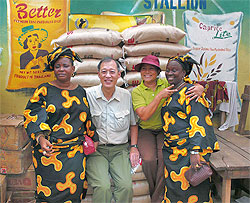
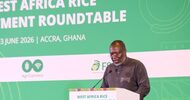
Vichai Sriprasent, President of Riceland International, said that Ghana had vast tracts of land and water sources that could be exploited for rice production.

An Afro-Arab agriculture conference on farm investment, which was to take place in Zanzibar, has been cancelled due to the Tanzanian governmnt's 11th hour refusal to host it.
Civil society, including African farmers unions, need to educate local people that such land deals are not in their interests, however couched in 'win-win' terminology they appear to be.
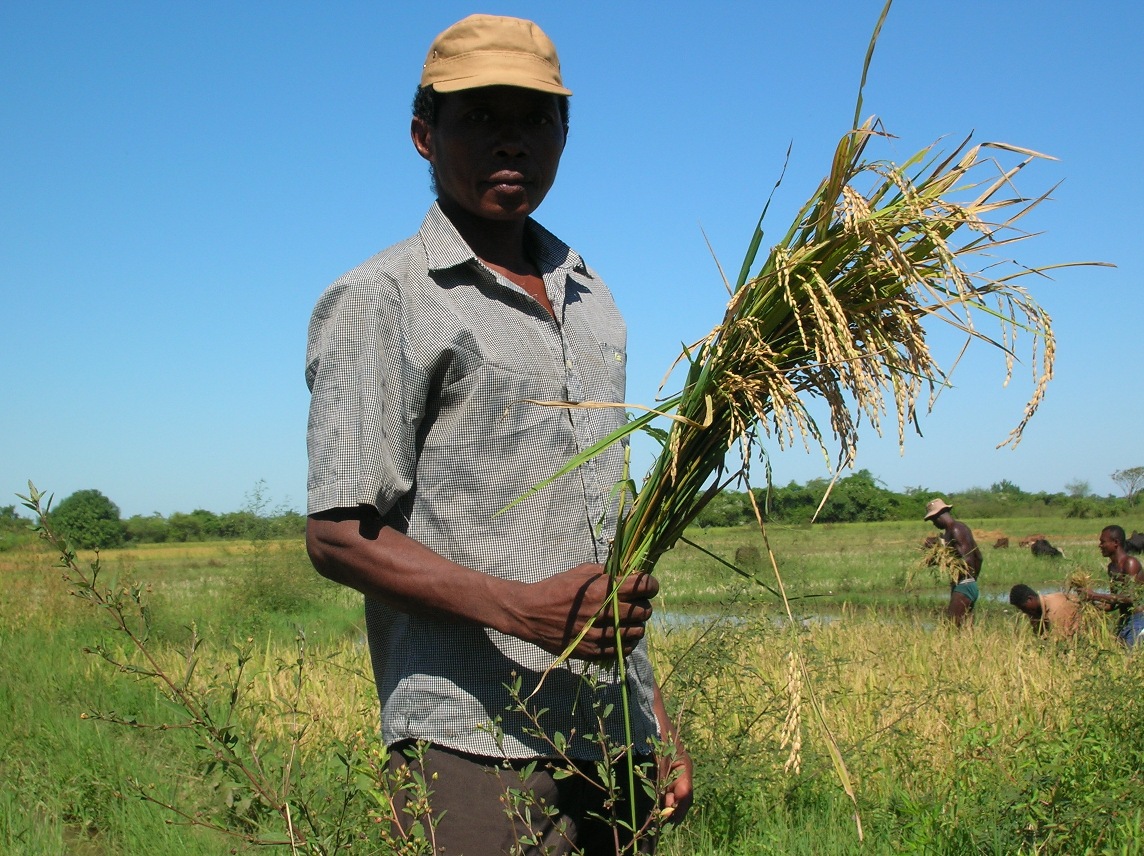
A group of private Saudi investors said they plan to start a company with $533.3 million capital that will invest in farm projects mainly abroad. First projects may be with Ghana, Turkey and Kazakhstan.
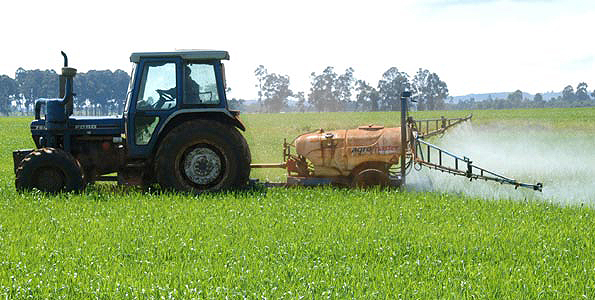
Land buying firms no longer disclose their identities to avoid tarnishing their image
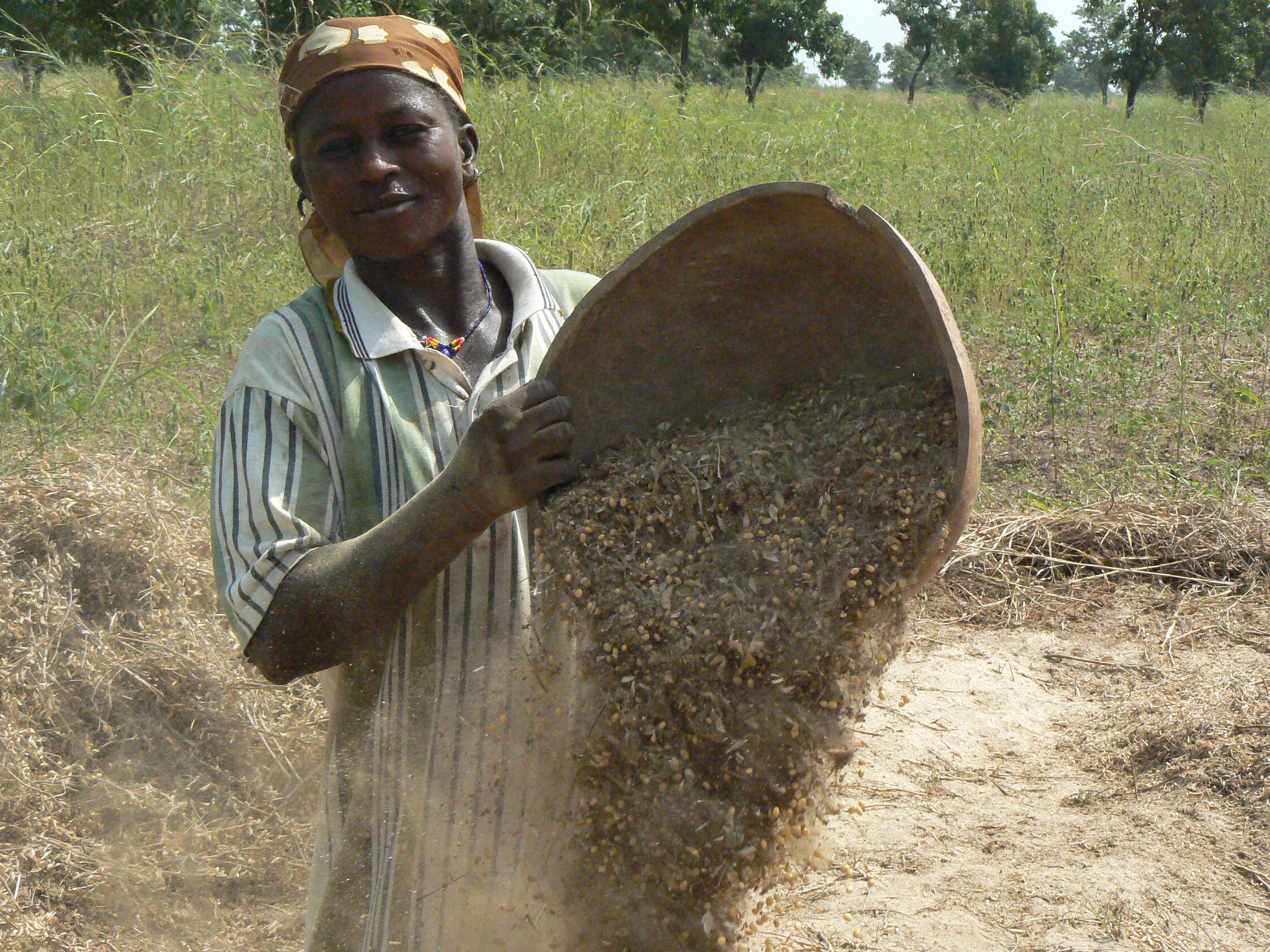
IFAD is supporting a pilot initiative to promote properly structured ("win-win") agricultural land deals in Ghana.

A focus on agricultural productivity should not become a cover for foreign private companies to grab land or impose expensive, input-intensive methods in the name of modernisation.
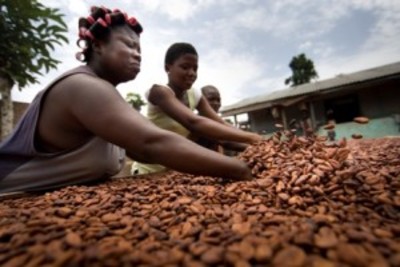
Together with GMO, the land grab wave that is spreading across Africa and other countries in the "developing world" should be brought to the attention of all interested Ghanaians. It is important for Ghanaians to avoid falling for it.

Las adquisiciones de tierra en África, Asia y Latinoamérica, tal y como se hacen en la actualidad, suponen condenar a los más pobres a ser desalojados de sus fincas o a perder acceso a la tierra, al agua y a otros recursos, según el primer estudio sobre la nueva tendencia de grandes corporaciones y gobiernos de invertir en tierras en países pobres, encargado por las agencias de las Naciones Unidas de la Agricultura y Alimentación y del Desarrollo (FAO y UNDP).