Land ownership debate hots up
- The Times of Zambia
- 19 April 2013
Delegates demand that land should not be recklessly sold to foreigners during proceedings at Zambia's National Constitution Convention in Lusaka.




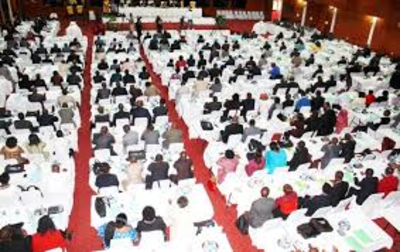
Delegates demand that land should not be recklessly sold to foreigners during proceedings at Zambia's National Constitution Convention in Lusaka.
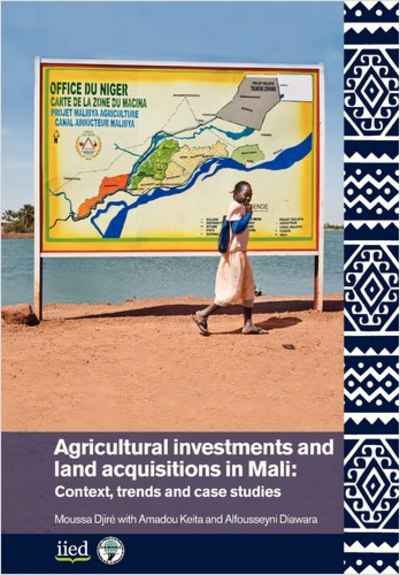
Two new reports by IIED look at agricultural investments and land acquisitions in Mali Ans Zambia.
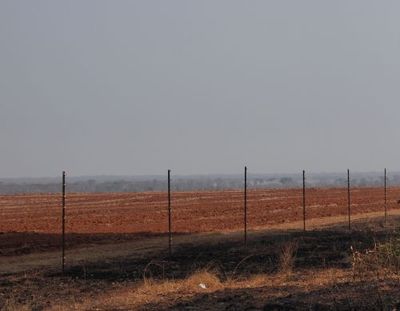
Le développement agricole accru en Zambie compromettra en réalité la sécurité alimentaire du pays, puisque des fermiers continuent d’être chassés de leurs terres coutumières pour ouvrir la voie à l’agro-industrie locale et étrangère à grande échelle.
"El acaparamiento de tierras aumenta la incidencia y la prevalencia de la pobreza en el país al aumentar la cantidad de personas que no pueden cultivar su propio alimento ni enviar a sus hijos a la escuela"

Increased agricultural development in Zambia will actually compromise the country’s food security as peasant farmers continue to be driven off their customary land to pave the way for large-scale local and foreign agribusiness.
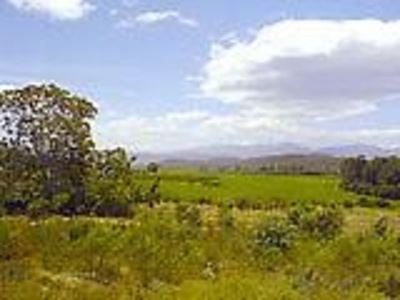
The Kiel Institute suggests that if such investments are governed more effectively, land acquisitions can provide the developing world with positive opportunities.
Olam's acquisition includes five estates on 5,866 hectares of land in northern Zambia's Kasama district.
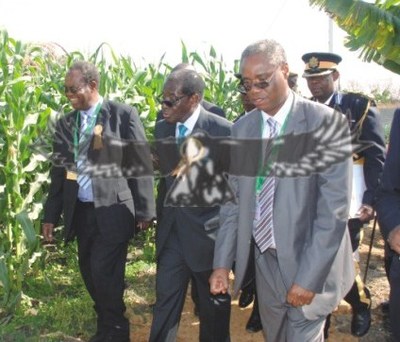
African Development Bank (AfDB) country director, Freddie Kwesiga, said the co-operating partners look forward to specific interventions to ensure improved land tenure and equitable access to land by partnerships of small, medium and large-scale investors.
A senior government official in Serenje has urged the Zambia Development Agency to quicken the process of facilitating investment inflow in the 155,000-hectare Nansanga farm block in Central Province.
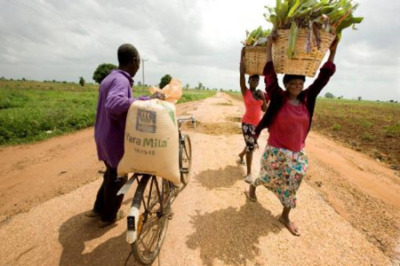
African nations like Zambia, Ethiopia and Mozambique invited Indian investors to invest in various sectors, especially in agriculture, saying this has the potential to provide food to both Africa and India.
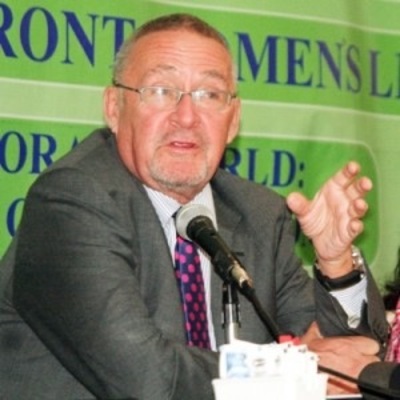
Zambia's Vice-President Guy Scott calls on private companies in the country to invest in agriculture and commercialise the sector to boost production of more maize for export.
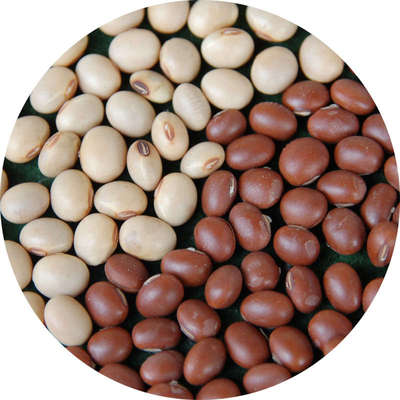
Chayton already produces 10% of Zambia's soya and 5% of the country's wheat. Over the next 12 months, production will increase to at least 35% and 15% respectively.