WB’s seven principles are seven deadly sins of global landgrabbing and against farmers’ interests
- Asian Peasant Coalition
- 29 April 2010
The Asian Peasant Coalition and Peasant Movement of the Philippines slam World Bank’s “seven principles”.




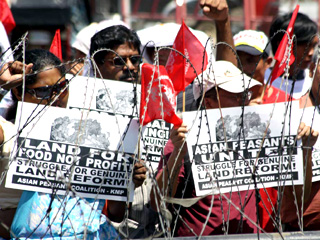
The Asian Peasant Coalition and Peasant Movement of the Philippines slam World Bank’s “seven principles”.

An ambitious project pooling New Zealand's farming expertise has received a fillip from Emirates Investment Group. Through EIG, there are two large Pakistan projects on the cards, one involving a 35,000ha farm.
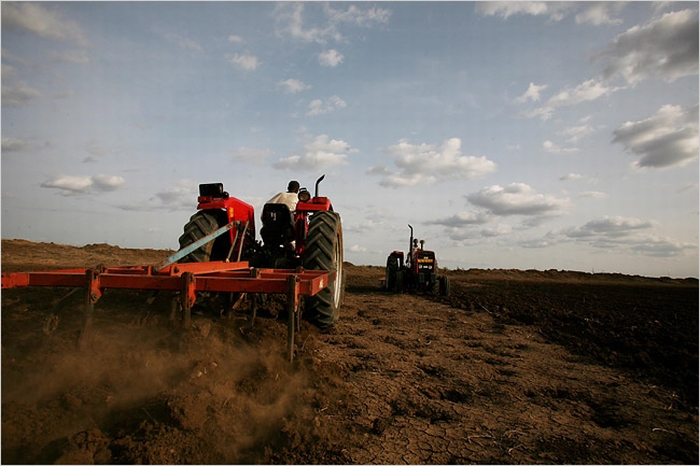
The government is working to attract local and foreign investors to finance the Jordanian agricultural mega-project in Sudan, said a senior official. "One international company has shown interest in taking part in the project so far," the minister told The Jordan Times
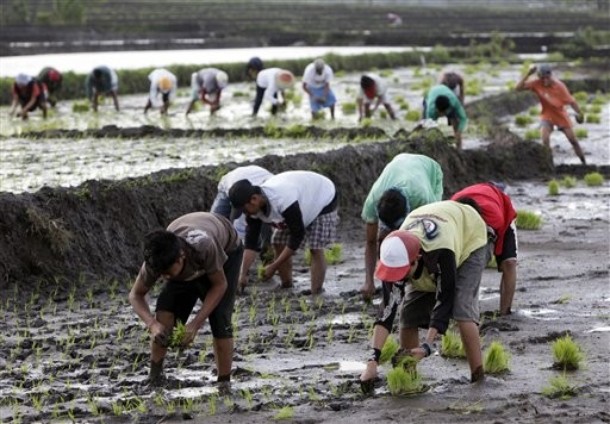
Militant farmers belonging to the Kilusang Magbubukid ng Pilipinas (KMP) are completely disgusted by the failure of government to stop land and crop conversions.
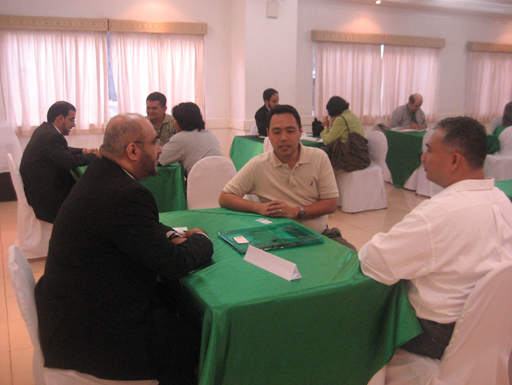
No less than 4,000 hectares in the Davao region have been identified by Middle Eastern-based companies to grow their products.

Qatar has embarked on a food-security programme to make it more self-sufficient and help the communities around its farmland projects in developing countries.

That Korea is no longer "importing" this food that is being grown overseas implies that this land is effectively Korean. This amounts to agricultural imperialism.
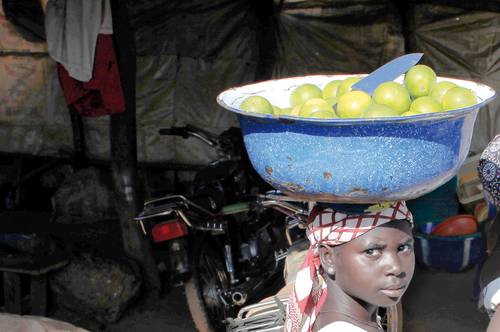
Los grandes "acaparamientos de tierras" en África y Asia también son signos de desconfianza en los mercados mundiales. Algunos importadores con recursos –como Arabia Saudita, Kuwait, China y Corea del Sur– han optado por cultivar alimentos en tierras que poseen o controlan en el extranjero en vez de importarlos mediante el comercio internacional. Estos países han cerrado contratos para comprar o arrendar unos 20 millones de hectáreas de la mejor tierra agrícola en países pobres.
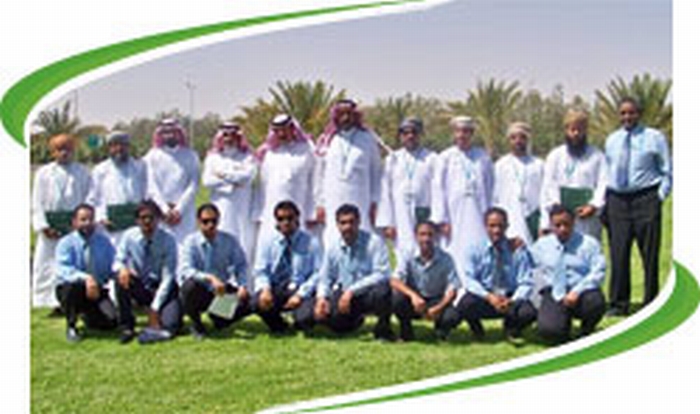
Tadco has visited the Kalumbarak Skyline Village in Malungon town, Philippines, with the intention of putting up a multimillion dollar worth agricultural investment.

A delegation from the Bahrain Chamber of Commerce will be in Manila on Friday and Saturday for a briefing on potential food production investment sites in the Philippines.
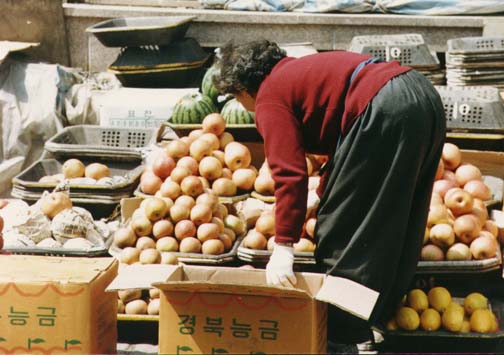
Local provincial governments are working hard to develop farmland in other countries -- Russia, Cambodia, Mongolia, Indonesia, the Philippines, Paraguay, Uruguay -- because it’s cheaper than relying on imports

Four months ago I travelled to the United Arab Emirates and the Philippines to research agriculture's new land grab phenomenon as part of my postgraduate research. I expected my findings to be a blend of arguments from both sides of the debate. However, I concluded that there was a strong case to be made against the proposition of a "win-win" situation for every stakeholder.