COUNT ME IN! Swedish investor snaps up historic property for $20m
- The Standard
- 28 January 2010
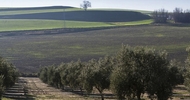
Swedish Count Carl Gustav Wachmeister bought 3,310 ha in Victoria State, Australia




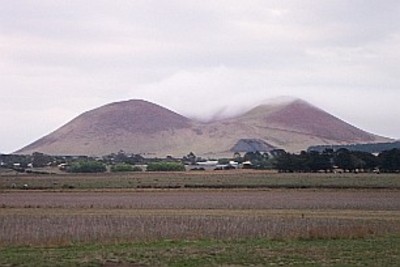
Swedish Count Carl Gustav Wachmeister bought 3,310 ha in Victoria State, Australia

This paper examines two failed land acquisition processes for food and biofuels production in Africa (SEKAB-Tanzania and Daewoo-Madagascar) with the aim to establishing more equitable governance strategies.
Black Earth Farming Ltd., which controls an area of Russian farmland four times the size of New York City, plans to start exporting grain and begin forward sales with traders and fertilizer suppliers.
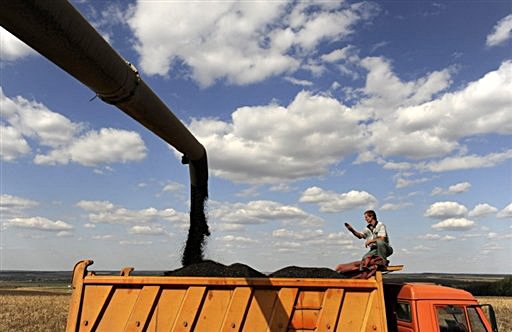
Swedish company Black Earth Farming (BEF) since 2006 has bought 300,000 hectares (740,000 acres) of Russian farmland after the government finally allowed land to be privatised after decades of state ownership.

The people who have agreed to give out their land for free to SEKAB have been mislead by unrealistic promises

Foreign investors have been given licenses to run cow farms across Kurdistan Region.


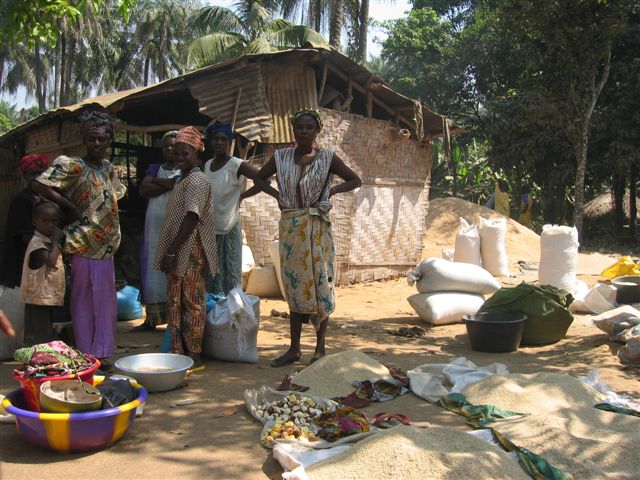
Nomadic herders, rarely a priority for governments, are being dispossessed by bioethanol developments in Kenya, says Michael Taylor of the International Land Coalition (ILC), and they also depend on the “unused” land that Madagascar offered Daewoo.
Investors are pouring billions into Russian agribusiness—and trying to reverse decades of Soviet mismanagement.
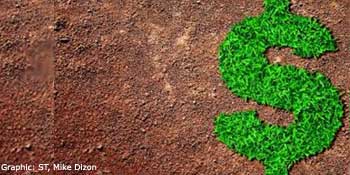
Lured by soaring food prices, corporations - both domestic and foreign - have been snapping up land in this fertile region the size of France, replacing inefficient Soviet-style collective farming with modern farming techniques and economies of scale.
“Foreigners who come here get astonished at the gleaming black earth,” said Viktor Karnushin, head of a local subsidiary of Sweden’s Black Earth Farming corporation, one of the biggest foreign players in Russian farming.
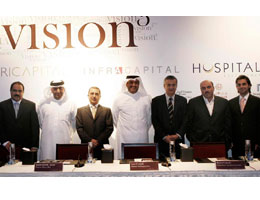
“I am satisfied with what we have achieved during the first half of 2008. We have been able to combine a fast increase in land under control with successful operations. The harvested area is estimated to be approximately 53,900 hectares with an estimated harvest of approximately 150,600 tonnes, which is higher than expected.”