Get ready for Chinese overseas investment in agriculture
- Choices
- 07 April 2015
As China becomes a large importer, its food security strategy calls for gaining control over imports from their source.




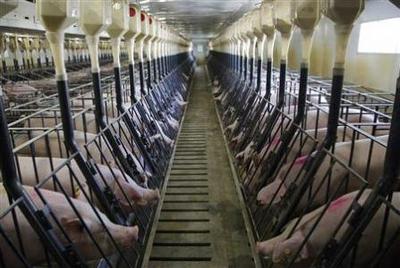
As China becomes a large importer, its food security strategy calls for gaining control over imports from their source.

The US sovereign wealth fund has approved a $200m allocation to TIAA-CREF’s Global Agriculture II fund, its first major commitment to the sector.
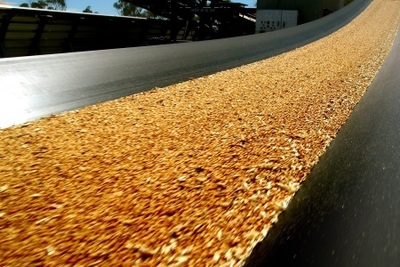
California-based Finistere Ventures is in Australia speaking to potential backers after its first close of a new $US150 million venture capital fund. The Finistere II Agtech (agricultural technology) Fund has secured the backing of German giant Bayer CropScience, as well as Canadian investment firm AVAC.
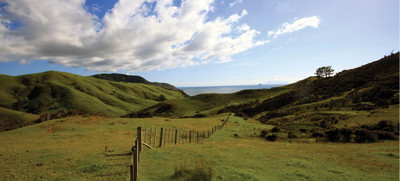
Americans were the biggest buyers of New Zealand land in the past five years, although buyers from China topped the list in 2014.
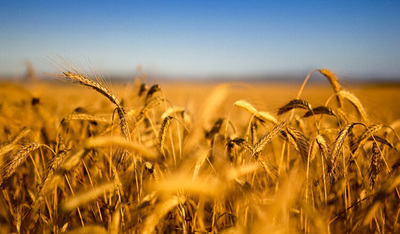
Farmland investments such as the new ACM Permanent Crop Fund can attract institutions by combining social responsibility and commercial promise.
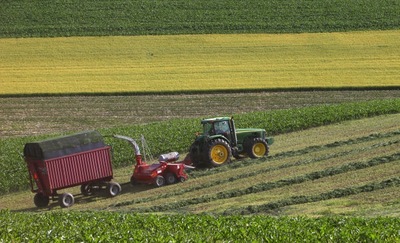
The foreign-ownership debate is relatively recent and, as noted below, it is not at all clear who is seeking to repeal the existing legal restrictions on the foreign ownership of Wisconsin farmland.

San Diego County Employees Retirement Association plans to commit $275 million to $400 million to real assets including agriculture, mining, energy and timber in 2015.
The foreign ownership of agricultural land is a significant issue in many countries and is gaining increasing attention here in the United States.
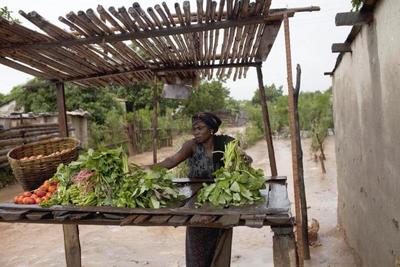
What Obama administration officials need to realize is that the G8 New Alliance is fueling a rapidly growing trend where investors based in African cities are rapidly grabbing up land in rural communities by whatever means they can.
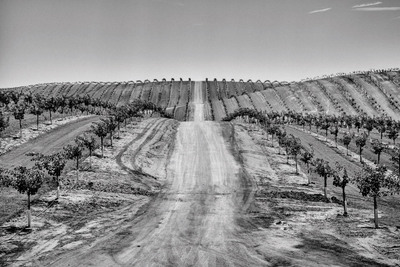
It takes a gallon of water to produce one almond. And that's not the most insane fact about the mad dash to plant the thirsty trees in the middle of a catastrophic drought in California.
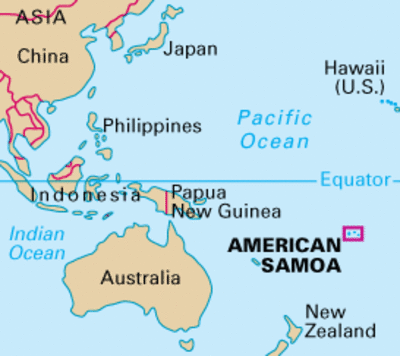
American Samoan farmers have repeated their fears to the Governor that foreign farmers are buying up land and cashing in on government programmes to the detriment of locals.
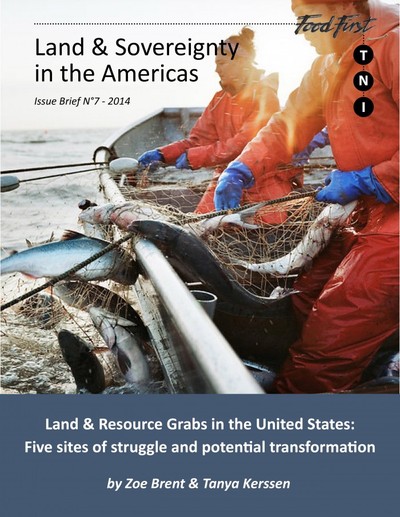
Briefing identifies five strategic “nexuses” to help understand how land converges with historically embedded power relations in the United States.