Mozambique won’t be Mato Grosso
- Monde Diplomatique
- 11 June 2018
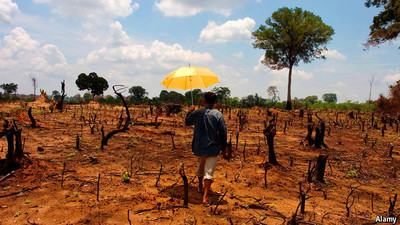
A popular movement centred on a small farming village in northern Mozambique has, for the moment, halted an attempt to move to cash-crop monocultures mainly for export.




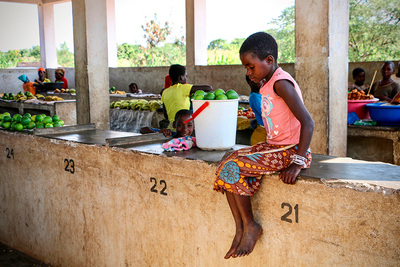
A popular movement centred on a small farming village in northern Mozambique has, for the moment, halted an attempt to move to cash-crop monocultures mainly for export.
The management of Okomu Oil Palm Company Plc has reacted to an allegation made against it by ERA/FoEN, alleging that the company had been “parading” a Roundtable on Sustainable Palm Oil certificate.
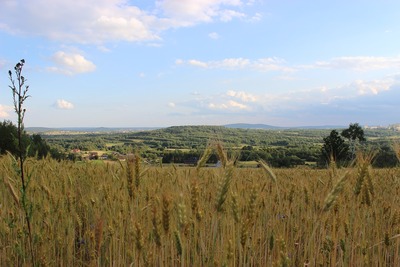
Land prices have increased dramatically and despite a moratorium on foreign land purchasing, foreign entities have found a way to buy land. Polish farmers are despairing and protesting en masse.
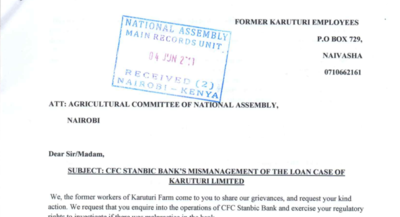
The employees accuse CFC Stanbic of demanding more money than it lent to Karuturi, saying the South African lender is responsible for the poverty that struck their families since Karuturi was placed under receivership, 3 years ago.

The peasant men and women who are members of the No to ProSavana Campaign maintain our opposition to this program and the way it has been imposed on us
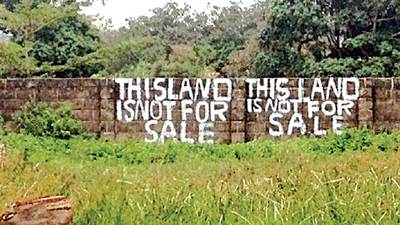
Environmental Rights Action/Friends of the Earth charged the Okomu Oil Plc to stop parading the Roundtable on Sustainable Palm Oil (RSPO) certificate as it has not met its requirement.

2017 went down as one of the deadliest years ever for land defenders. It was also a pretty bad year for several land grabbers.
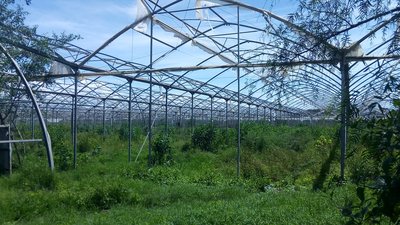
The lives of more than 3,000 people came to a standstill when the Karuturi flower farm shut its doors in May 2015 after being placed under receivership over accrued debt.

Seventy farmers of the Confédération paysanne came from all over France to occupy the "La Croix Valmer" vineyard of Vincent Bolloré in the Var to denounce land grabbing and the financialisation of farmland
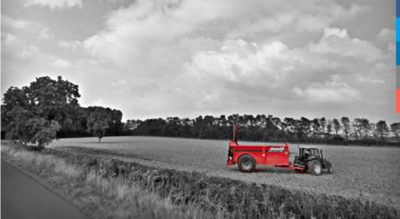
A Chinese company recently bought nearly 1,000 hectares of French farmland. Pourquoi? "To put French cereals on Chinese tables," its owner says.
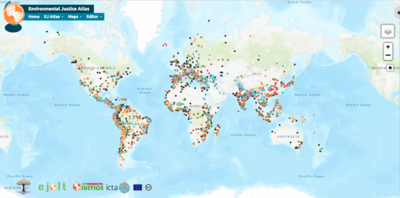
As more communities are refusing to allow the destruction and contamination of their land, water, soil and air, these struggles deserve to be counted.
Companies acquired concessions amounting to the size of a small European country, while rural residents of Southeast Asia’s Mekong region saw their landholdings shrink or disappear over the past two decades