AAF ESG Annual Report 2016
- Phatisa
- 31 Mar 2017
African Agriculture Fund Environmental, Social and Governance Annual Report 2016




African Agriculture Fund Environmental, Social and Governance Annual Report 2016

Large land concessions are detrimental to the livelihoods of rural communities, who have drawn little benefit from these concessions and have had no effective remedy or recourse when their rights are infringed or violated.
A group of individuals from a broad range of institutions and organizations that focus on improving land governance around the world hereby commit to promote and bolster data-sharing efforts within the land sector.
Farmers and charities are demanding an independent investigation into the claims made by landowners who say their complaints and grievances were ignored.
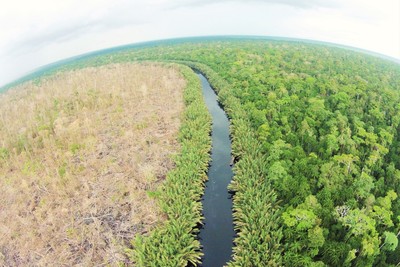
A new report by the Zoological Society of London has found inconsistencies in how palm oil companies report on land in their concessions, leaving almost a million hectares of land unaccounted for and exposed to the risk of deforestation.
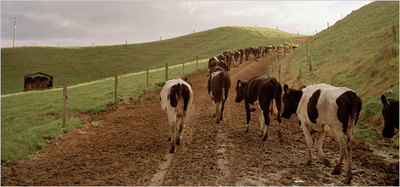
Last year, a total of 466,000ha was sold to offshore buyers with Overseas Investment Office approval - a five-fold increase on the previous year.
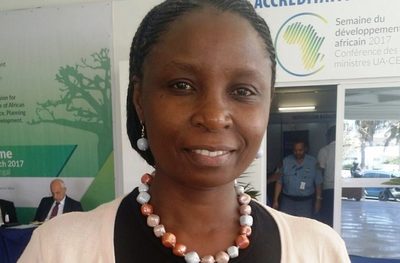
UNECA coordinator says the way land investment has taken place in Africa has had unintended consequences of pushing people off the land, while the land has not been used for production.
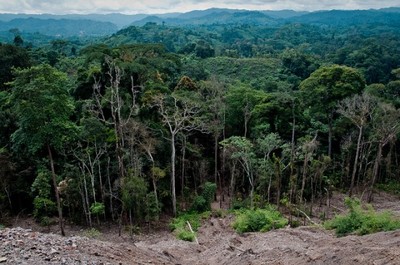
Report gives an overview of the availability of information for land concessions in Brazil, Canada, Cambodia, Colombia, Indonesia, Liberia, Madagascar, Malaysia, Mexico, Myanmar, Papua New Guinea, Peru, Republic of the Congo, and Russia.
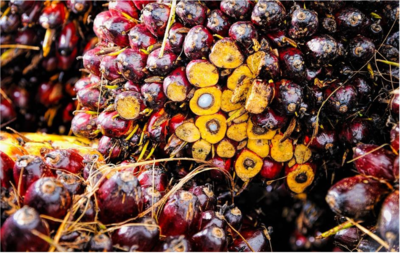
A recent report has exposed links between Swiss banks and some of the world’s largest palm oil plantation companies. Earthsight has reviewed the findings and shown that most of these firms have been involved in illegal deforestation.
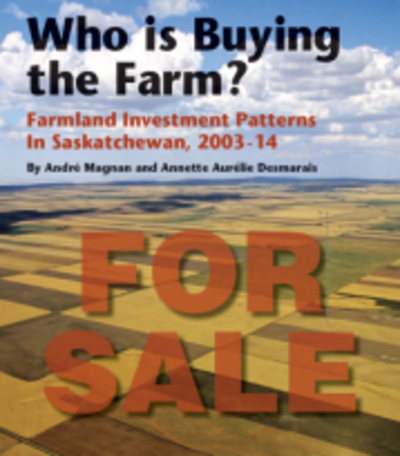
Report sets out to provide a more complete picture of farmland investment patterns in Saskatchewan, identifying major private and out-of-province investors and the extent of their holdings in Saskatchewan.
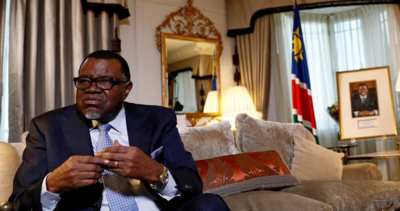
Namibia wants to transfer 43 percent, or 15 million hectares of its arable agricultural land, to previously disadvantaged blacks by 2020, and "also look at foreign ownership of land".
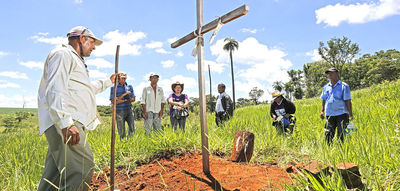
In a draft paper presented at the World Bank annual conference on land and poverty, IIED takes stock of evidence and lessons from trends in natural resource investments over the period 2006-2016.