
Land grabbing in Southeast Asia – what can Africa learn?
- PLAAS
- 17 June 2015
Across Southeast Asia, a dramatic reconfiguring of land rights, livelihoods and economies is underway, with profound and disturbing implications for the future.
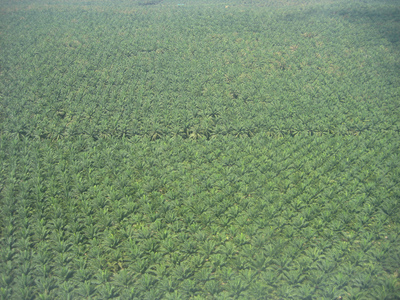
Acquisition of Eagle High Plantations includes a total land bank of 425,000ha with 67 per cent in Kalimantan and the rest spread across Papua, Sulawesi and Sumatra.
Australian Ag Minister supports banning all foreign governments and foreign state-owned companies from buying Australian farmland, saying such acquisitions could “undermine the national interest”.
Dominion Farms intends to convert part of its 17,000-acre land at Yala Swamp to establish a sugar plantation and develop a mill.
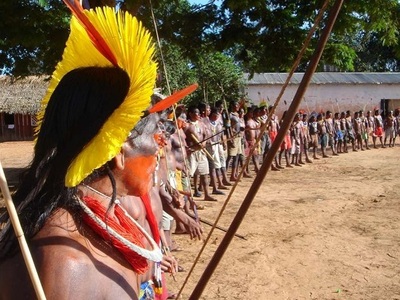
There have been more than 29 indigenous killed in just three regions of Tumpinambá lands in the state of Bahía, between 2013 and 2015.
Saudi Star Agricultural Development PLC is reported to have donated 26 tractors and 30M Birr to Gambella regional state local farmers and youth, where it has acquired a 60-year concession for 10,000 ha.
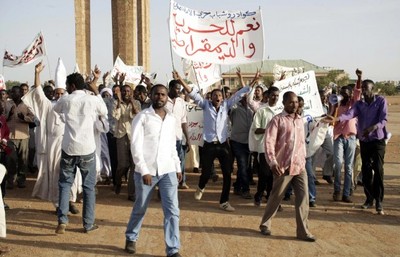
Police in Sudan fired tear gas and wielded batons on Friday to break up a protest in Khartoum against government land policies in which one person is reported to have died.
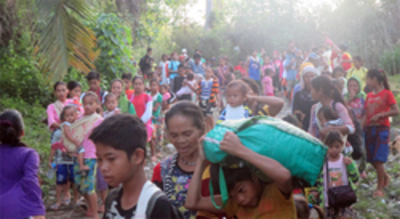
Lumad (indigenous) communities in Mindanao, Philippines appeal to end the militarization of their villages and to stop the human rights abuses by the armed forces.
Brazilian agriculture company BrasilAgro sold its Cremaq farm in Piauí for more than seven times what was paid for it nine years ago.
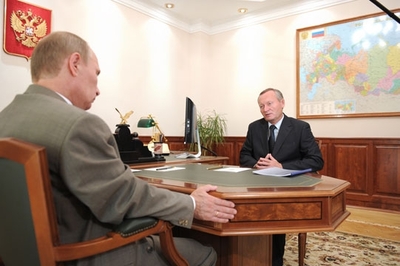
Zoje Resources Investment has obtained a 49-year land lease from Russia's Transbaikal regional government to develop agriculture and livestock farms on 115,000 hectares of uncultivated land.
European banks and investors are a major source of finance for large-scale destructive agriculture; forestry; and pulp and paper projects.
Following the many paths of where investment dollars go to fund agricultural commodities in SE Asia can be a challenging but not impossible prospect.