Ethiopia OKs 361 Saudi investment projects
- Arab News
- 07 December 2013
Ethiopian ambassador Mohammad Kabeera said his country has approved more than 361 investment projects to Saudi Arabia mainly in the agricultural sector.




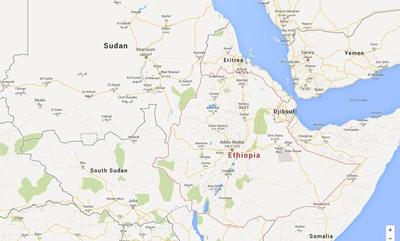
Ethiopian ambassador Mohammad Kabeera said his country has approved more than 361 investment projects to Saudi Arabia mainly in the agricultural sector.
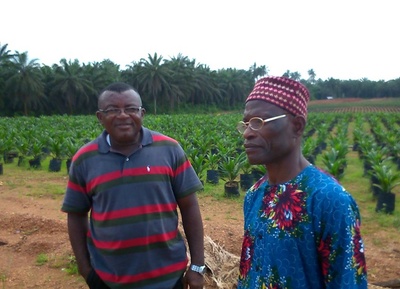
Wilmar, the world's largest palm oil processor, is building a massive plantation on forest lands illegally gifted to Nigeria's former president, Olusegun Obasanjo. The local community wants these lands back.

Western Australia signs agreement with Chinese-owned Kimberley Agricultural Investment on Ord Irrigation Scheme

Film chronicles the experiences of communities in PNG--giving a voice to those who are losing their land and natural resources to illegal logging operations and palm oil companies.
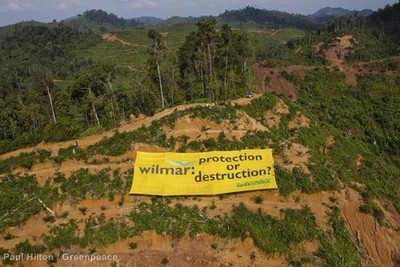
Wilmar says it will ensure that its own plantations and companies from which it sources only provide products that are “free from links to deforestation or abuse of human rights and local communities”.
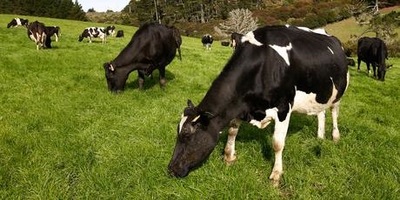
Labour bill aims to make it more difficult for foreign investors to purchase rural land

The Japan investor has secured 40,000 hectares of land for commercial cotton farming in Handeni District where it will open a cotton farm and a processing plant.
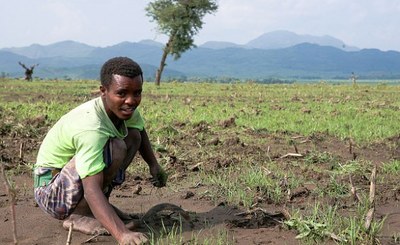
Government plans to reform Ethiopia’s agriculture failed to consider the country’s peasant culture, subsistence farming and basic needs, letting the corporations take the most fertile land from peasant farmers.

BNDES will open its first Africa office as it looks to finance the expansion of Brazilian companies across the continent
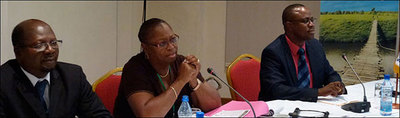
Over sixty parliamentarians from Central Africa met in Malabo, the capital of Equatorial Guinea, to discuss how to promote sustainable agricultural investment.

A Brazilian indigenous leader who spent decades campaigning for his tribe’s right to live on their ancestral land was murdered on Sunday night
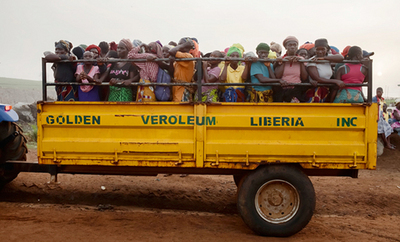
That palm oil listed in the ingredients of your favorite candy bar or lipstick? More and more of it comes from forest and farmland razed by multinational corporations a world away.