Al Dahra Agriculture signs EUR300 million agreement with Serbian Government
- WAM
- 14 January 2013
The intended aim is to meet Abu Dhabi's vision and strategy for long-term food security.





The intended aim is to meet Abu Dhabi's vision and strategy for long-term food security.
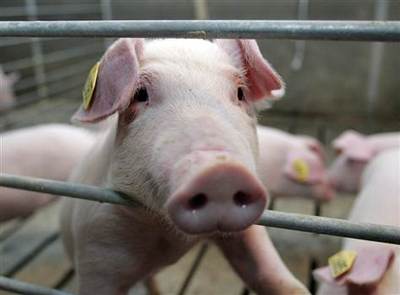
The Itochu Corporation acquires a 33.4% stake in HyLife, one of Canada's largest pig producers, for $56.5 million.
Thousands of subsistence farmers in Gúruè district are earning small amounts of money from soya. However, there are a few larger farmers. And land conflicts are increasing.
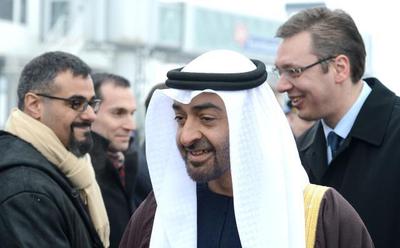
Sheikh Mohammed bin Zayed Al Nahyan will become a majority owner of eight Serbian agriculture corporations that own 9,000 hectares of land and will lease an additional 14,000 hectares of arable land in Serbia for EUR 250 per hectare per year.
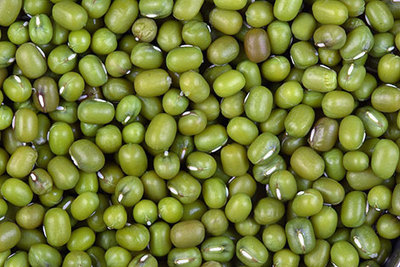
Primus Agri Products is investing US$3 million to commercially produce mung beans and sesame seeds on 170 ha in Mozambique’s Nampula province for export to Asia.

A delegation from the Ministry of Agriculture is preparing to visit Sudan later this year to examine the possibility of growing wheat on as many as 470,000 hectares of Sudanese land.
China's sovereign-wealth fund is one of three large funds vying to take a stake in Australian dairy company Van Diemen's Land Co.

EBG Capital, a Swiss environmental investment boutique led by two former Credit Suisse executives, has launched an “information hub” for asset owners and managers that want to invest in farmland responsibly.

In four cities in Poland, farmers are demonstrating against Polish farmland being sold to foreign multinationals. Now they need international support for their protests.

Global demand for soybeans has soared in recent decades, with China leading the race. Nearly 60 percent of all soybeans entering international trade today go to China, making it far and away the world’s largest importer.
A rights-based vision as brought forward by the FAO guidelines still bears the risk of reinforcing unequal local power structures. Instead, more long-term strategies for the protection of customary rights are required. Thus, a moratorium on ‘land grabs’ would be most appropriate.
Rulli and colleagues estimate that global land grabbing is associated with the grabbing of 308 billion m3 of green water (i.e. rain water) and an additional grabbing of blue water that can range from 11 billion m3 (current irrigation practices) to 146 billion m3 (maximal irrigation) per year. To put these numbers in perspective, the average daily household consumption of water in the UK is 150 liters (0.15 m3) per person.