African land fertile ground for crops and investors
- NPR
- 15 June 2012
Part 2 of a report from the US-based National Public Radio on landgrabbing in Africa, highlighting the case of Mozambique




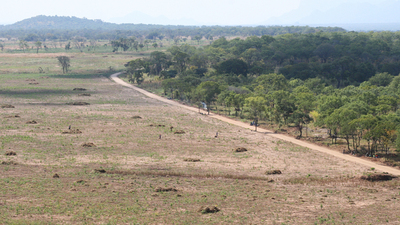
Part 2 of a report from the US-based National Public Radio on landgrabbing in Africa, highlighting the case of Mozambique

Singaporean and other foreign traders are taking advantage of a loophole in Thai laws to purchase land suitable for paddy fields and starting up rice-trading houses in Thailand.
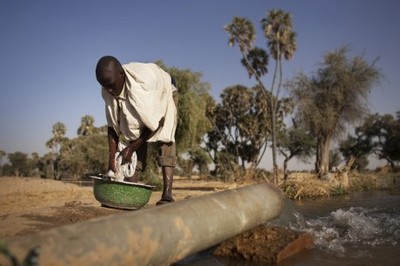
We are interested in the opportunity of farming in Nigeria and we are happy that the government is facilitating that process," says Hassad Food Operations and Asset Management executive director Andrew Goodman.
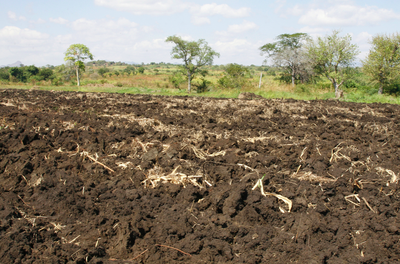
NPR takes a closer look at the reality behind the rhetoric, and went to Mozambique, a hot spot in the global rush for land.
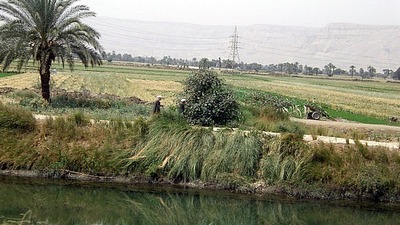
An Egyptian model farm is to be created in Ethiopia on an area of some 500 feddans [210 ha] with the potential for expansion in the regional state of Afar some 600 kilometres north of Addis Ababa.
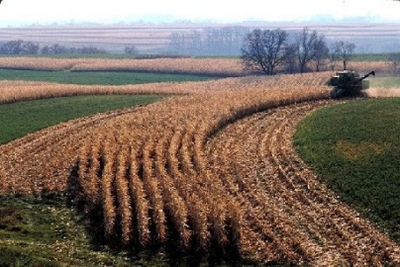
Adecoagro, the agricultural company that counts George Soros as its biggest investor, is giving potential buyers the chance to get a hold of farms in Brazil and Argentina at a 36 percent discount to its net assets.
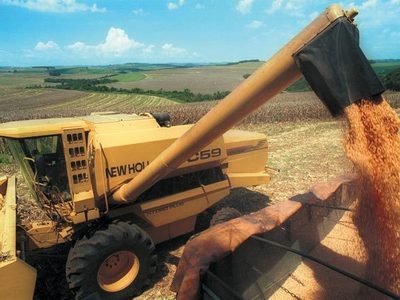
Under a new proposal from the Agricultural Committee of Brazil's Congress, any company established in Brazil, even if controlled by foreigners, would be considered Brazilian and not subject to restrictions on farmland ownership.
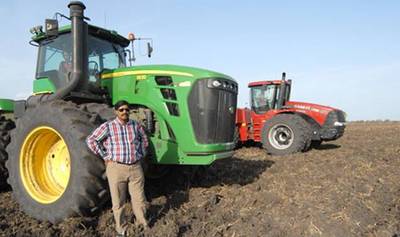
The company has approached the African Development Bank, the African Export-Import Bank and the Eastern and Southern African Trade and Development Bank to raise another $100 million for a sugarcane estate.
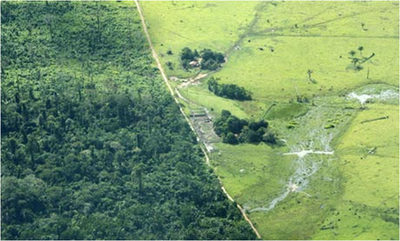
Large-scale soy monoculture is expanding rapidly in Latin America. Boosted by dubious investment from multi-national corporations, it has moved well beyond the southern states and into the Amazon area.
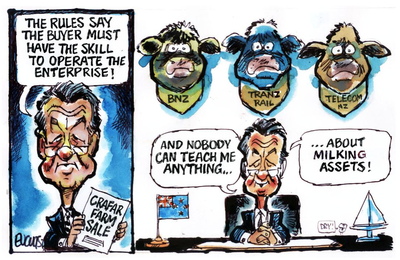
Foreign ownership of farm land is a sensitive issue in Australia and "across the ditch" in New Zealand.

Islamic Development Bank and Rabobank team up to launch fund that intends to invest 5-10% of its funds in global farmland.
Special issue of Water Alternatives