African landrush
- InfoChange India
- 05 April 2010
Countries that have recently invited India, through the ministry of agriculture, to lease land for farming include Egypt, Ethiopia, Mongolia, Senegal, Sudan, Trinidad and Tobago and Tunisia.




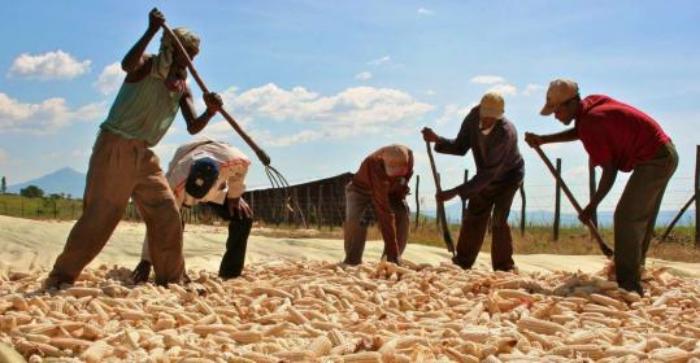
Countries that have recently invited India, through the ministry of agriculture, to lease land for farming include Egypt, Ethiopia, Mongolia, Senegal, Sudan, Trinidad and Tobago and Tunisia.
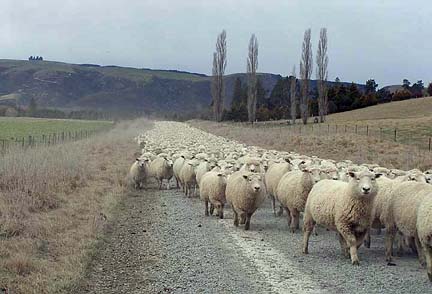
There is serious overseas interest in acquiring New Zealand farmland, and some confusion in the rules and regulations surrounding the process.

Japan should shun this new kind of colonization like a plague, no matter what well-paid city-based officials may say.

People see the Chinese as moving into Africa, kicking poor farmers off their land, and growing food to be shipped back to China for domestic consumption. This seems unlikely, however, says Doug Saunders.
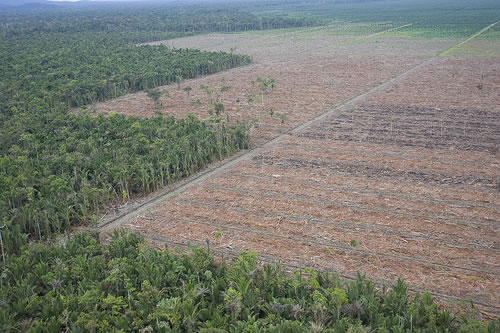
The Indonesian government plans to create a vast agricultural estate in the restive province of Papua, sparking fears of environmental destruction and a return of mass migration policies.

The economic nationalism and calls for protectionism seem ironic given the fact that Fonterra itself is a large multinational, which in addition to having farms in China, has since 2002 been in partnership with global food giant Nestle in the Dairy Partners Americas.
Director General of UNIDO: says land acquisition through foreign investors must be carefully considered and strictly scrutinized.
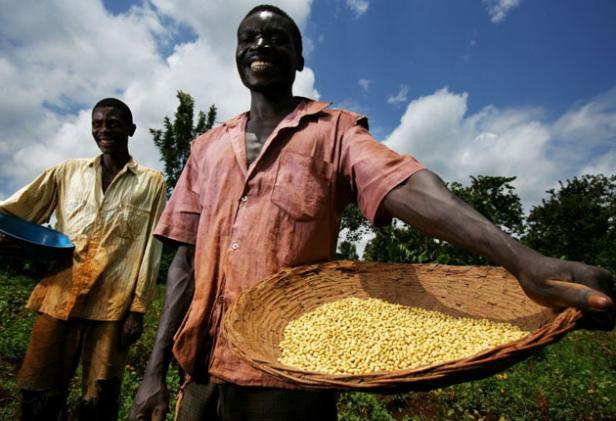
The Commission plans to launch a joint initiative with the African Union that will include a roadmap for the implementation of "sustainable large-scale investments in farmland".

The Kuwait-based firm aims to build on its base as the leading food company in the Middle East.

The Bahrain Chamber of Commerce and Industry (BCCI) signed the memorandum of understanding (MoU) on the establishment of Thailand Food Security Stockpile and Distribution Center and Industry with the Board of Trade of Thailand.

The fund is targeting individual investors and institutions as well as government-owned funds in the region, and will focus on the production of crops and livestock in Sudan and food processing in Egypt.
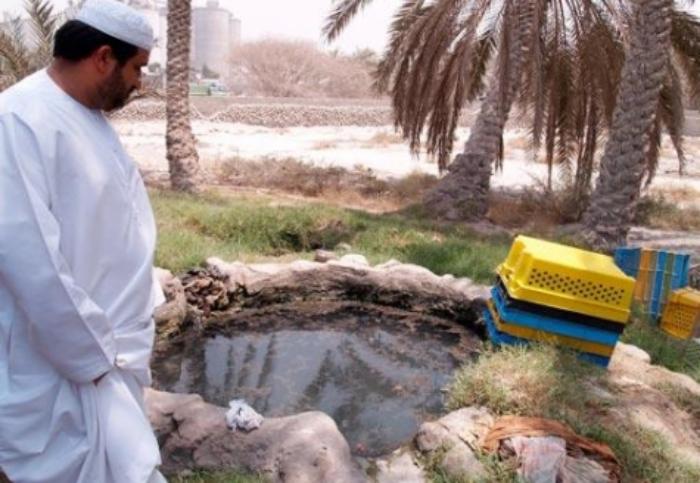
The Economist Intelligence Unit says that GCC investments in farmland abroad are needed to ensure food security, but must be structured carefully to avoid conflicts with host governments.