Land grabbing and the global food crisis - Presentation
- GRAIN
- 02 December 2009
An illustrated overview of the global land grabbing trend, with tables and figures.




An illustrated overview of the global land grabbing trend, with tables and figures.
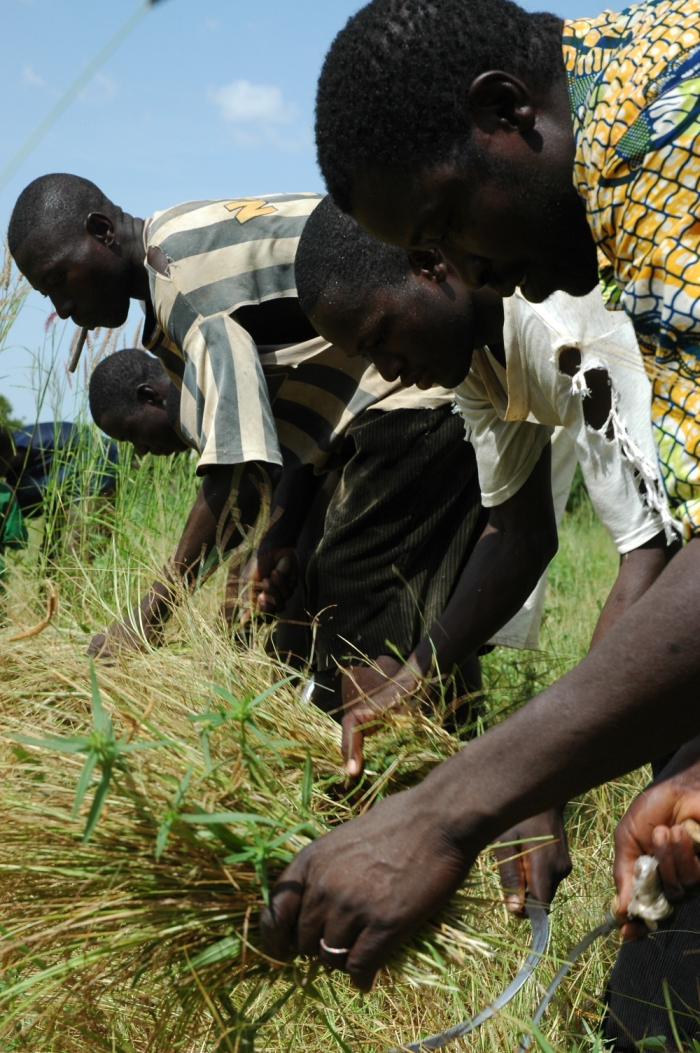
In Mali the government has approved long-term leases for outside investors to develop more than 160,000 hectares of land. Local farmers say they fear being pushed out.

This paper examines two failed land acquisition processes for food and biofuels production in Africa (SEKAB-Tanzania and Daewoo-Madagascar) with the aim to establishing more equitable governance strategies.
"Mauritius cannot depend on [Mozambique and Madagascar] for sustainable agricultural development. It’s better for us to cultivate our own land to produce more food and leave some land for future generations."

"I think it is not right to sell or give your land to foreigners... until you have exhausted every local possibility," said Osama Daoud, chief executive of the Sudanese DAL group which runs large agricultural projects.
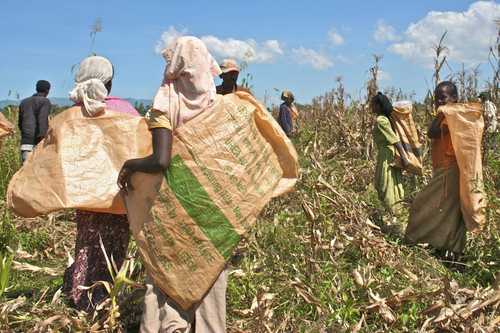
According to researcher, Loro Horta, the technological centres project is the result of a growing Chinese interest in African agricultural resources.
"Foreign governments and institutional investors have only recently been moving into the space and in a very limited way and yet they have already generated considerable controversy and political backlash where they have deployed capital into the emerging markets. We believe that this will only become worse over time," says Agcapita's Stephen Johnston.
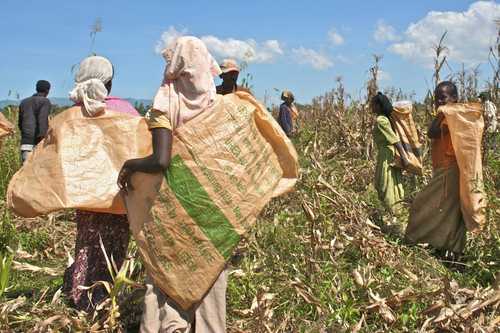
The South Korean government has realised that its 49 million people cannot, in the long term, be fed sustainably without the assistance of Africa’s abundant land resources.
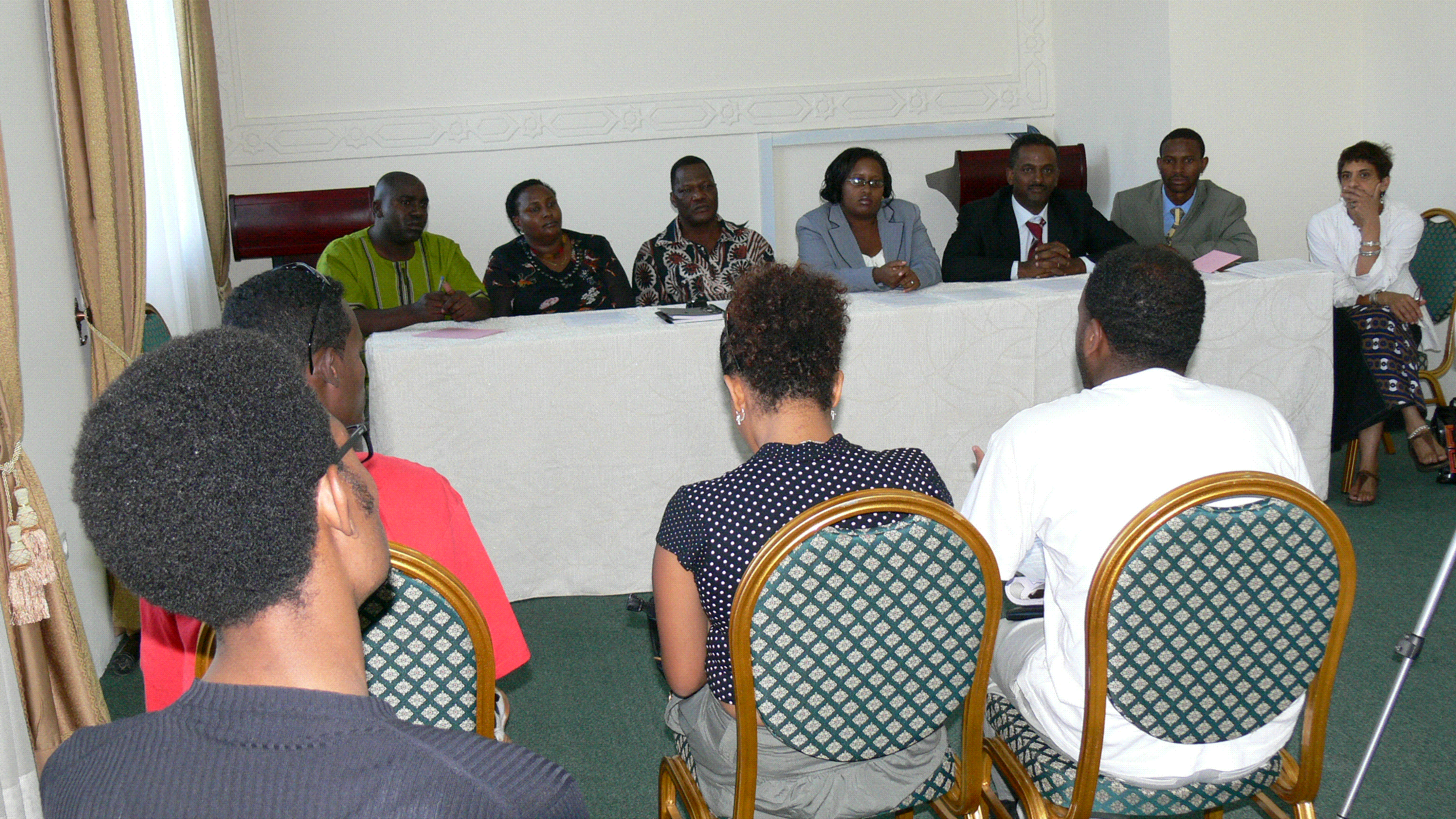
The Alliance for Food Sovereignty in Africa urged African leaders to resist the corporate industrialization of African agriculture which will result in massive land grabs, and for the issue to be raised at the upcoming climate talks in Copenhagen.

Sai Ramakrishna Karuturi, managing director of Karuturi Global Ltd was conferred with the award for business excellence in agribusiness in Africa by Corporate Council on Africa, for the year 2009.

While Dominion Farms is honored that Business Week saw our company as a global front runner in doing business in Africa, we are disheartened by the lack of commitment to the true story of Dominion Farms.

South Korea, through the Korean Economic Development Fund, has extended a $50 million (about Sh65 billion) loan to the Rufiji Basin Development Authority (Rubada). About 100,000 hectares of land have been set aside for modern rice farming under the project.