SKorea leases RP farmland in food security bid
- AFP
- 16 July 2009
A South Korean provincial government has leased a major plot of farmland in the central Philippines to grow corn as part of Seoul's bid for food security, officials said Thursday.




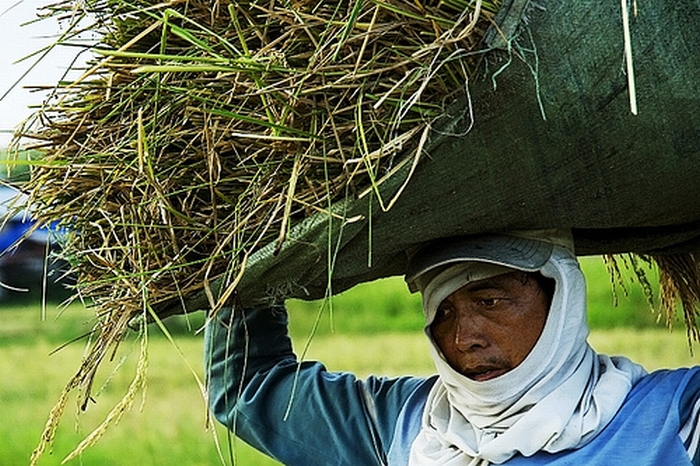
A South Korean provincial government has leased a major plot of farmland in the central Philippines to grow corn as part of Seoul's bid for food security, officials said Thursday.
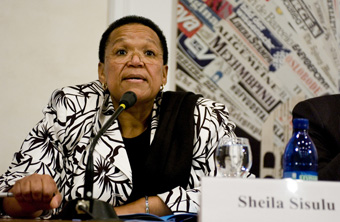
A scramble by wealthy states to snap up developing world farmland to ensure their own food security -- especially in Africa -- could trigger conflict in poorer countries, World Food Programme deputy executive director Sheila Sisulu said on the sidelines of the Non-Aligned Movement summit in Egypt. "I fear... conflict," she said.
Rothschild has recently formed a co-operation agreement with Rabobank, a leading global food and agricultural bank. The agreement covers co-operation for mergers and acquisitions and the equity capital market across a number of sectors including farm inputs and equipment, farm-based commodities, primary food processing, food processing and beverages.

I wonder how many other behind-the-scenes transactions are currently underway in the continent that will only be announced when the deals have been signed and perhaps money has exchanged hands.
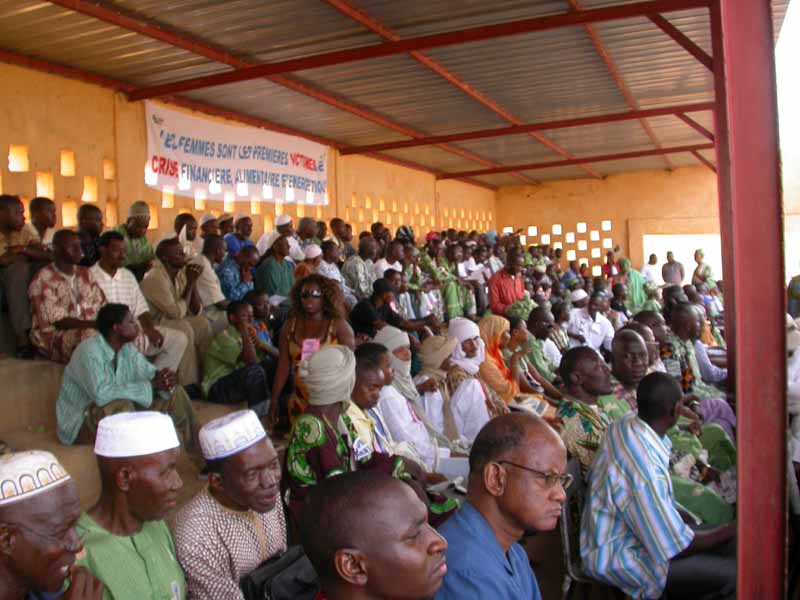
"Our message is clear: it is not up to the G8 to set development strategies and programmes for Africa."
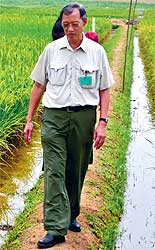
Nigeria allows foreigners -- like Thailand's Riceland International Co -- to lease land for growing rice and to run rice-related businesses including milling and processing.

Global food supply concerns have revived fears of foreigners seeking to do farming in Thailand. Some farmers worry they could end up being little more than serfs.
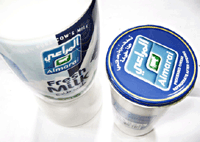
Almarai Company, Saudi Arabia's biggest listed dairy firm, is studying more acquisition opportunities in Egypt after spending $115 million last month to buy an Egyptian company and its farmland
Rather than participating in the race for farmland overseas, Japan should concentrate on raising its food self-sufficiency rate, which is now at about 40 percent.
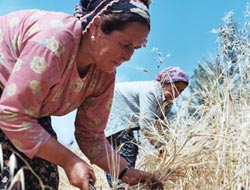
Private Saudi firm Planet Food World (PFWC) will invest around $3 billion in agriculture in Turkey over the next five years to export food products to the Gulf region, the head of its Turkish unit said.
A state-affiliated Kuwaiti company is set to join a growing list of entities from the oil-rich Gulf looking at investments in Asian agricultural land.
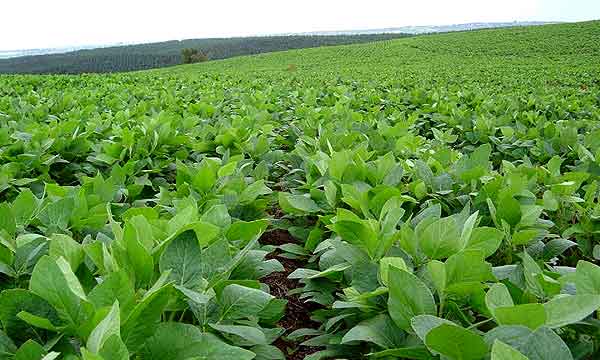
Most of the recent farmland sales in Uruguy can be traced to money looking for safe havens, given the world financial crisis, and not necessarily increasing production.