G8 Agricultural Ministers declaration
- El Watan
- 20 April 2009
"Attention should be given to the leasing and purchase of agricultural land in developing countries, to ensure that local and traditional land use is respected."




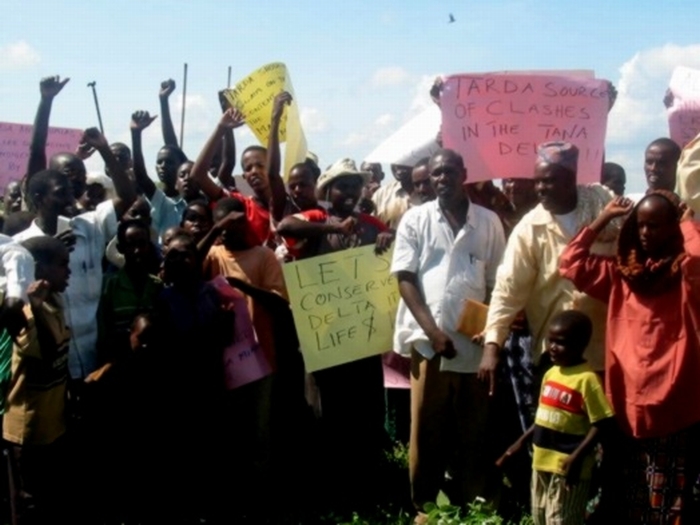
"Attention should be given to the leasing and purchase of agricultural land in developing countries, to ensure that local and traditional land use is respected."
Sub-Saharan African countries have of late become the target of a new form of investment that is strongly reminiscent of colonialism: investors from both industrialised and emerging economies buy or lease large tracts of farm land across the continent, either to guarantee their own food provisions or simply as yet another business.

The government of Republic of Congo (Brazzaville) has offered 25 million acres (10 million hectares) of land to South African farmers in an effort to improve the central African nation's food security, reports Reuters. The area is nearly twice the amount of arable land in South Africa.
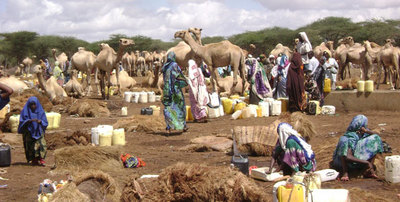
Water is the new gold, and a few savvy countries and companies are already banking on it.

Rich nations buying farmland in less developed countries to boost own food supplies should also contribute to improving agriculture overseas, heads of two United Nations' food agencies said.
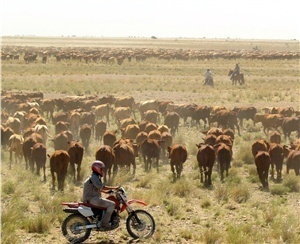
UAE food processing and poultry group Iffco has justifiably ruffled some feathers in Australia. Earlier this year, Iffco acquired a 14.99 per cent stake in Australian Agricultural Company (AAC) from Futuris Corporation for AU$64.7 million (Dh171.6m). AAC is the largest beef cattle company in Australia, running around 500,000 beef cattle on 21 cattle stations comprising 8.2 million hectares.

Some nations, such as India, instituted tight export controls on staples like wheat and rice. Others, like South Korea and Saudi Arabia, have bought land overseas to help grow food for their populations.
The Republic of Congo offered 10 million hectares of farm land to South African farmers to grow maize, soya beans and also establish poultry and dairy farms. In the deal being touted as the biggest in recent African history, farmers would be able to lease the land for free for 99 years.

We are seeing big international investors and speculators move away from financial products and into to food products and agricultural land in the South.

Farm ministers of the Group of Eight meeting in Italy this weekend aim to forge a strategy to secure food supplies and stabilize prices, as rich nations scramble for acreage abroad to feed their people.

Malawi has agreed to lease arable land to Djibouti for crop production, leaders of the two countries have disclosed, the Nations reported on Tuesday.
Saudi Arabian investors want to lease 500,000 hectares of farmland in Tanzania to grow rice and wheat.