Uruguay: Entrevista a Pablo Díaz
- Sudamérica Rural
- 09 July 2015
La agenda de los movimientos por la tierra en Uruguay gira en torno a las acciones para frenar el capitalismo en el campo.




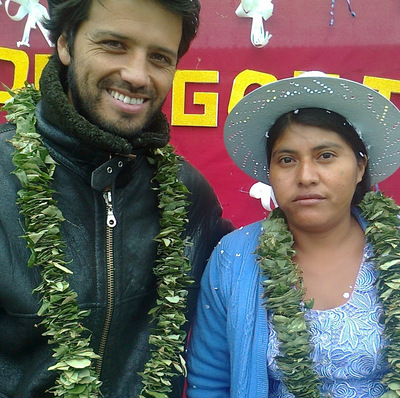
La agenda de los movimientos por la tierra en Uruguay gira en torno a las acciones para frenar el capitalismo en el campo.

A 100,000-cow dairy farm is being constructed in Northeast China to supply the Russian market with milk and cheese, in what can be construed as agricultural geopolitics.
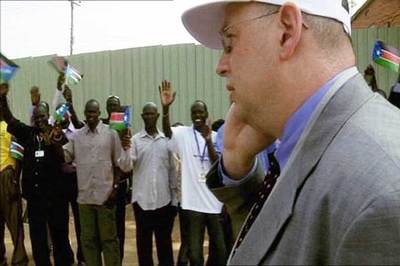
Even the World Bank admits that the vast bulk of foreign investment in Africa doesn’t help the continent’s people, with aid and agricultural support often a smokescreen for multinationals looting nations’ wealth.
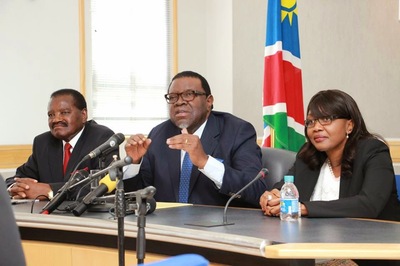
The Namibian government plans to pass a new land law that will ban foreigners from owning agricultural land, the country’s cabinet said.
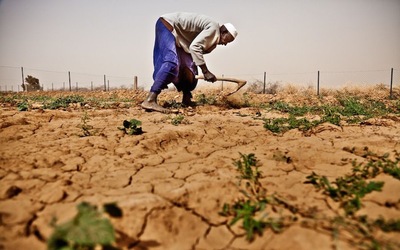
The fact that China does not now depend on Africa in any meaningful way for food does not mean this will continue to be the case.
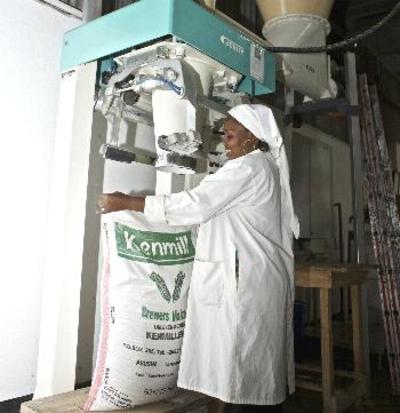
Kenya-based private equity house Fanisi Capital said on Thursday it had bought a stake in a Tanzanian agro-processing company for $6 million, expanding its footprint in the region.

Tania Murray Li of the University of Toronto explains how the devastating expansion of oil palm plantations in Indonesia shows what can be expected from the current expansion of the plantation model elsewhere around the world.

If Africa remains a food deficit region, exporting significant quantities of food to China grown on Chinese-financed investment projects will raise serious questions.
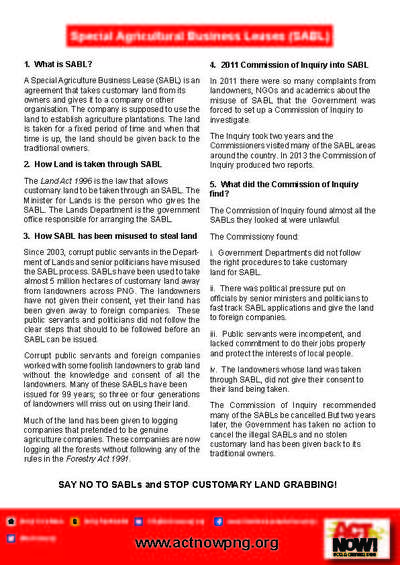
Even though the Commission of Inquiry into the land grab has found the SABL process was flawed, land grabbing continues. Many communities are still not aware of what SABL is and how customary land is being stolen.
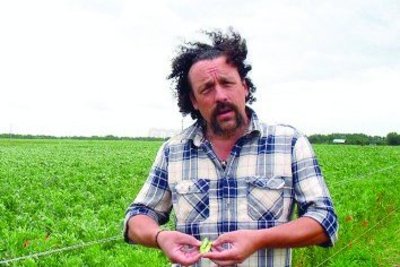
Un groupe financier irlandais met la main sur les terres charentais et les font cultiver par un entrepreneur agricole. "Il passe une fois de temps en temps avec un tracteur de 300 chevaux et c’est tout», râle un élu, impuissant.

World’s largest palm oil trading company, Wilmar International Ltd., under scrutiny as communities accuse its suppliers of harassment, deception and rights abuses.
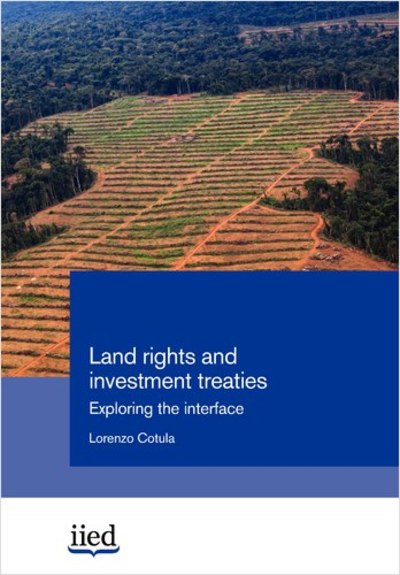
Investment treaties can have far-reaching implications for land reform, for public action to address “land grabbing” and more generally for land governance frameworks