
New Zealand outlines rules to curb large-scale carbon farming
- Bloomberg
- 04 December 2024
New Zealand has outlined new rules aimed at slowing the rate at which farmland is being converted into forestry for carbon credits.
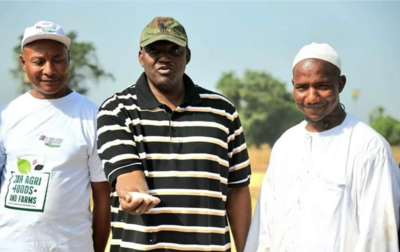
The Asean African Consortium (AAC), a subsidiary of the Jospong Group of Companies, has acquired 200,000 acres of land across the country in a revolutionary move to boost rice production.
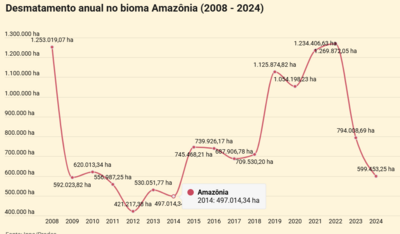
Actividades ilegales como el narcotráfico, la minería ilegal y el acaparamiento de tierras son detonantes de la problemática.
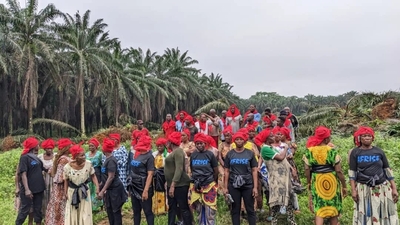
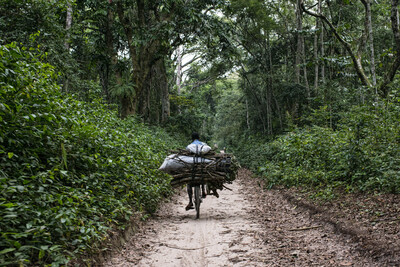
Nimbel Shaw is an Oil Palm Company based in Nigeria but is in partnership with PHC (Plantations et Huileries du Congo), which is the largest palm plantation in the Democratic Republic of Congo.
Almarai is venturing into seafood and red meat as part of a nearly $5 billion programme to expand its food empire
Toesca Permanent Crops II aims to invest US $350mn in a portfolio of permanent crops based on regenerative and sustainable practices, in Chile, Peru and other Latin American countries.
Saskatchewan’s auditor says the Canadian province needs to do a better job tracking and enforcing rules on non-Canadians purchasing farmland
Japan's Sojitz is collaborating with Vinamilk and Vilico to invest in a 10,000 cattle farm and beef processing and distribution facilities.
FPG owns and operates approximately 1,200ha of premium farmland across Australia where it grows table grapes, citrus, and berries.
The government’s corporate farming policies have led to the allocation of lands to private companies and investors, which has led to more transnational agribusiness corporations entering into different agricultural ventures.
EBRD makes a €50 million equity investment in Croatia’s Podravka Group to support the acquisition of Fortenova Group’s agricultural division, which owns 32,000 ha of farmland and pig and cattle breeding farms
Les politiques gouvernementales telles que l’Initiative Pakistan Vert et l’agriculture industrielle ont conduit à l’attribution de terres à des entreprises privées et à des investisseurs, et de plus en plus de grandes entreprises agroalimentaires transnationales entrent dans diverses entreprises.