"Colonialist, imperialist and criminal"
- Slow Food
- 21 October 2010
“We should be supporting our own farmers and letting Africans cultivate their own land in their own way," says Slow Food President.




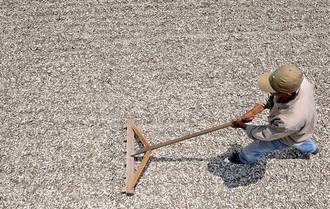
“We should be supporting our own farmers and letting Africans cultivate their own land in their own way," says Slow Food President.
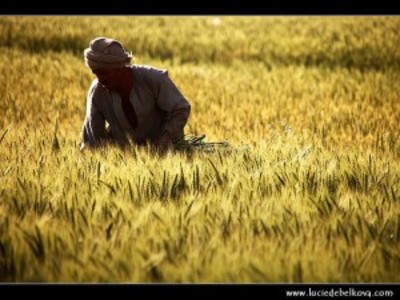
The Egyptian external agricultural land deals are all the more fragile as a future government or policy change in Ethiopia or Sudan risks destabilizing their external food security strategy.

Ramesh Krishnaswamy of Karuturi Global in an exclusive interview with CNBC-TV18

Sannati Agro Farm Enterprise Plc received a 10,000ht plot of land in Dimi District, Gambella Region, for the cultivation of rice, pulses, and cereals, from the Ministry of Agriculture and Rural Development on October 1, 2010.
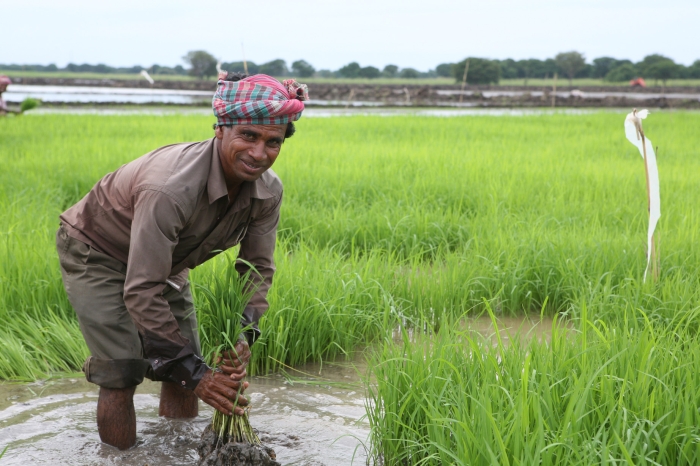

Addis Abaaba has decided to withdraw from the regional governments the right of attributing leases of over 1,000 ha. However, the 2010 federal budget lists no income whatsoever, and no information on this subject appears in the quarterly reports of the National Bank of Ethiopia.
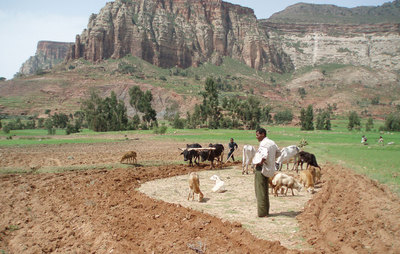
The two months we spent in the Amhara and Oromia regions of Ethiopia, surveying smallholders and profiling large-scale commercial farms, left us with a different impression.
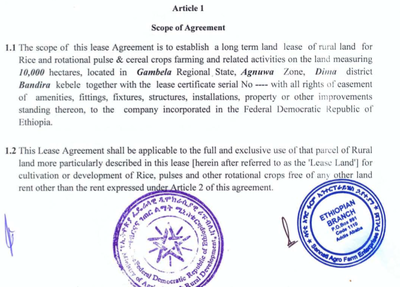
Contract is for 10,000 ha in the Regional State of Gambela for a period of 25 years, with option for renewal.

The people of Ethiopia have a question for you and the government of Ethiopia you represent, “Why are you giving away our land to foreigners?”
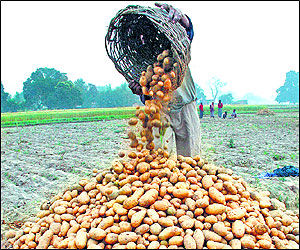
Punjab-based farmers are set to acquire 50,000 ha of farm land on lease in Ethiopia for growing high-value cash crops, including pulses and maize, for export to India and Europe.
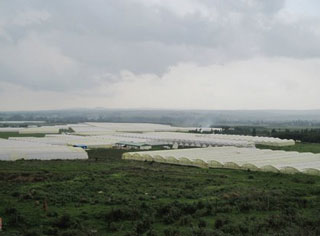
Tensions against Indian companies acquiring farmland in Ethiopia are mounting, according to Tehelka
Anywaa Survival Organisation would like to call upon indigenous people to resist this kind of land grabbing effort of the Ethiopian government, now acknowledged by a World Bank report