Crafar Farms buyer eyes more NZ property
- NZ Herald
- 09 October 2012
The Chinese conglomerate that bought the Crafar Farms this year is not ruling out the possibility of buying more New Zealand dairy land to fuel its exports to China.




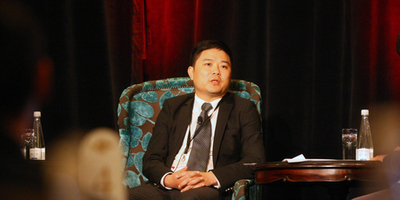
The Chinese conglomerate that bought the Crafar Farms this year is not ruling out the possibility of buying more New Zealand dairy land to fuel its exports to China.

Since Jane Mendillo took over the endowment in July 2008, Harvard’s holdings of forests, farms and other natural resources in Brazil as well as in New Zealand and Romania have grown to about 10 percent of the portfolio -- more than $3 billion -- and she wants to add more.
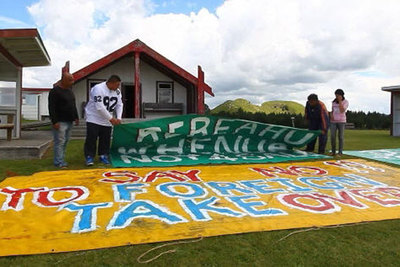
A Chinese company's controversial bid to buy 16 New Zealand dairy farms has stalled again after a mystery backer agreed to finance another legal appeal against the purchase.
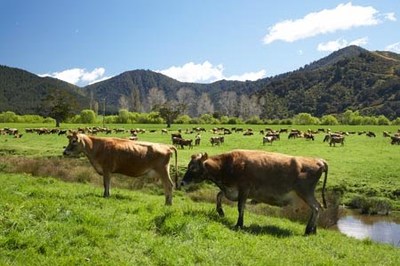
Foreign purchases of land in New Zealand have dropped off significantly over the last seven months, after Chinese investors became embroiled in a long-running land dispute and declining carbon-credit prices made forestry assets less attractive.

Jessica Mutch spoke to Fred Pearce in London about the Crafar farm buy-up by a Chinese company and whether New Zealand should be nervous about land grabbing.
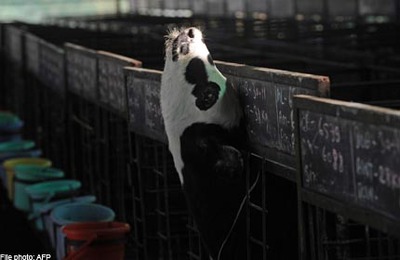
While Australians fret about how much farmland is being snapped up by foreign investors, our New Zealand cousins have adopted a no-nonsense policy on rural land sales to off-shore investors.
.jpg?1340978667)
Public opinion is generally cool on overseas investment, especially large land sales to corporate interests where the owners are unlikely to work in the country themselves.
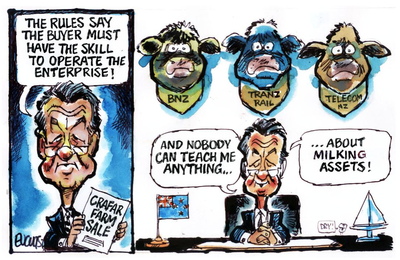
Foreign ownership of farm land is a sensitive issue in Australia and "across the ditch" in New Zealand.
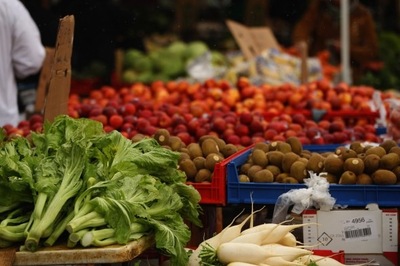
New Zealand is one of many countries upon whom China’s entrepreneurs have cast their eyes for opportunities to buy farmland, mineral and power resources to shore up China’s looming food shortage and resource-hungry economy.
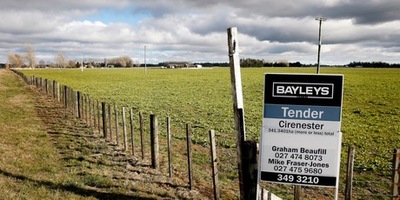
The decision to approve the sale of NZ dairy farms to a Chinese company has prompted an "Aotearoa is Not for Sale" hikoi, which starts at dawn tomorrow with prayers at Cape Reinga.

The estimate used by the Prime Minister John Key that less than 1 percent of New Zealand farmland is foreign-owned is far below the mark according to an analysis of Overseas Investment Office decisions carried out by CTU Economist, Bill Rosenberg.

After a year-long legal battle, China will be allowed to buy farmland in new Zealand. Some experts say these purchases are less about business and more about rich countries securing their own food supply at the expense of less well off nations.