Agriculture investment: Solid ground for unstable times
- CNBC
- 08 November 2011
As the global financial downturn pushes investors into finding alternative business ventures, land investment has become an attractive proposition.





As the global financial downturn pushes investors into finding alternative business ventures, land investment has become an attractive proposition.
Group's $700 million international crop fund has been dealt a serious blow with new foreign investment restrictions on rural property in Brazil stalling its expansion.
Summary report of the conference hosted June 17, 2011 in Geneva, Switzerland

Hassad plans to spend $US350 million ($318 million) in Australia to secure food supplies for Qatar, which imports 95 per cent of its food.
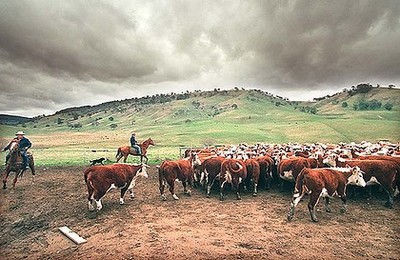
Australians do realise the value of what is being sold, a land agent and rural property specialist said, "but their hands are tied because they can't raise the money".
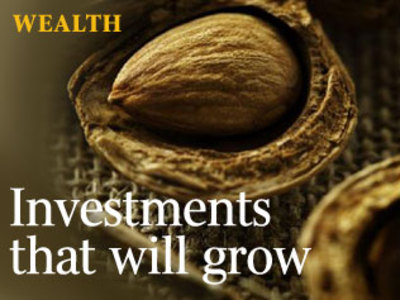
The global financial crisis may have hit tax-effective agribusiness schemes hard, but the prospects of the small group of companies that survived are anything but gloomy. "We're actually tapping into the new GFC, which is the global food crisis," says Wayne Overall, executive director of agribusiness managed investment scheme operator Almond Investors Limited
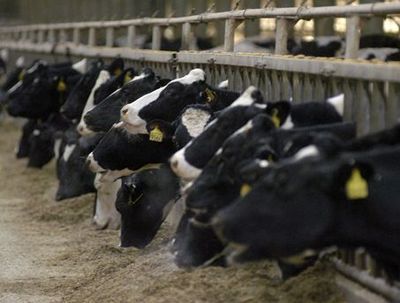
Last week, bids closed for an 83% stake in Fonterra's biggest supplier, Dairy Holdings, which oversees 72 South Island farms. Bidders reportedly include Chinese dairy giant Bright Dairy, a pastoral fund owned by Australian investment bank Macquarie Group, British private equity firm Terra Firma. US private equity firm Carlyle Group and the Harvard Endowment Fund.
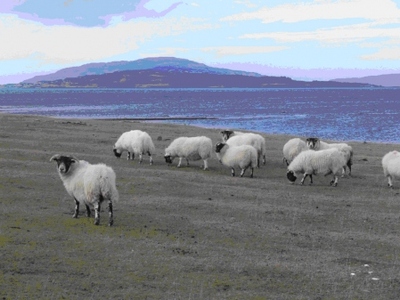
Macquarie Agricultural Funds Management owns 31,500sq km of Australian grazing land on which it runs cattle and sheep.

"We want to make agriculture sexy," says the head of Macquaraie's Retail Agribuiness operation.
Private equity and fund managers name South America a top place to buy, lease and manage agricultural lands for profit.
Fears that faceless corporations and international investors would become the new barons of the Australian bush have proved to be unfounded
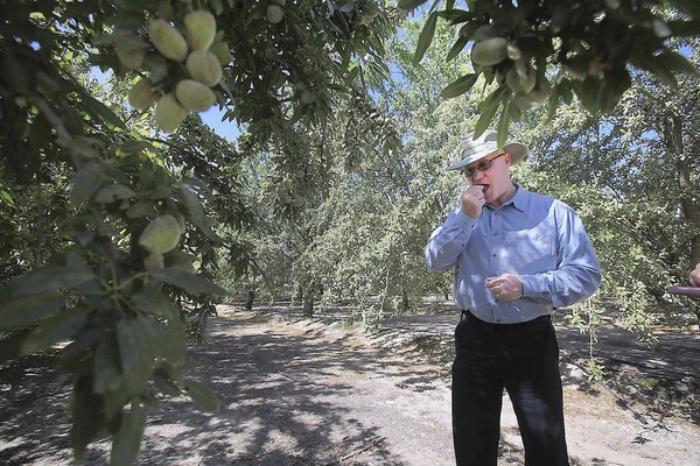
Wary of fluctuations on Wall Street, more wealthy Americans, private funds and foreigners are putting money into parcels of cornfields, fruit orchards and other US agricultural products.