
L’Ouganda veut faciliter l’expropriation foncière au nom du développement
- RFI
- 24 August 2017
En Ouganda, un changement constitutionnel sur le droit des terres fait polémique.
Le gouvernement s'est lancé dans une politique de grands travaux et a besoin d'accéder aux terres privées, et vite - ce que vise l'amendement constitutionnel. Les ONG qui dénoncent le risque d'accaparement des terres et d'évictions.
The manager of a farm belonging to a Chinese Company known as Quality Parts (FOMASA) in Mubende district has been arrested on allegations of grabbing people’s land and torturing them.
Tucked away over 50 kilometers north of the capital Kampala, Chinese technicians continue to set up the first agricultural industrial park in the East African country.
Engagés dans une politique de grands travaux, le gouvernment ougandais s'apprête à modifier la Constitution pour accélérer les expropriations
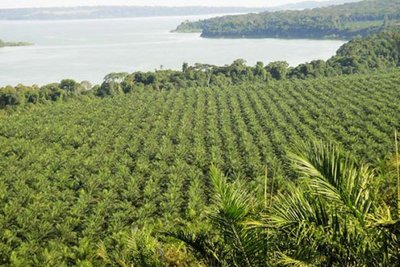
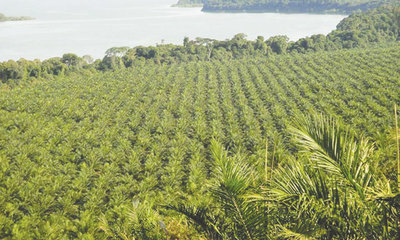
The Ugandan government has settled the tax obligations for Bidco since 2003, when it set up oil palm plantations in the country. If the government fails to provide more land, it may continue paying Bidco's taxes, which stood at Shs 12.4bn (US$3.4M) last year
Bidco Africa supported the highly controversial purchase of land in Kampala, Uganda, a UN probe has found. The finding draws the Kenyan-owned edible oils manufacturer to the centre of eviction claims by peasant farmers who are fighting the firm in court.
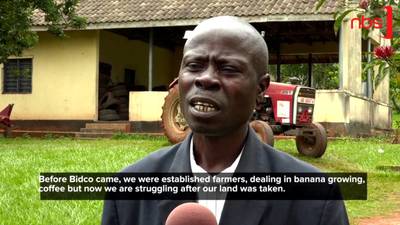
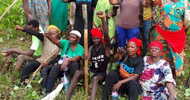
Embattled Ugandan farmers fighting threats and land grabbing by Bidco have praised a draft report by UN investigators that calls into question the company’s business practices.
Bidco is not pleased by the protestors who turned up last week in London to highlight the company’s palm oil operations, specifically in neighbouring Uganda.
East African protesters have taken to the streets of London to demonstrate against banks that do business with Bidco Africa, highlighting the connection between global financial institutions, The Prince of Wales and widespread deforestation in Africa.
The beneficiaries of this state-led and coercive measure will result in dispossession of land owners for the benefit of the government, private companies or individuals.
There has been growing evidence that forest land grabbing by both individuals as well as a powerful alliance of international corporations and government officials is one of the major factors currently driving this loss of forest cover.