As US and other wealthy nations slash aid, UN warns of “silent tsunami of hunger” in global food crisis
- Democracy Now!
- 14 October 2009
Devinder Sharma talks about landgrabbing in the context of the world food crisis on "Democracy Now!"





Devinder Sharma talks about landgrabbing in the context of the world food crisis on "Democracy Now!"

The UPA Government has deprived job opportunities to millions of illiterate and semi-literate Indians by forcing Indian companies to invest abroad in overseas plantations and coal mining sectors.

K S Oils, one of India’s leading integrated edible oil food companies Wednesday announced further acquisition of 53,000 acres of land for palm oil plantations in Indonesia. This brings the company’s land bank in Indonesia to 1,38,000 acres [56,000 ha], the largest owned by any Indian company.

Le contrat de Varun est fortement défavorable aux paysans malgaches. Suspendu depuis plusieurs mois par le pouvoir central, il doit d’urgence être annulé.

The Solvent Extractors Association, the Indian oilseeds industry body, has formed a consortium of 18 companies to acquire 10,000 hectares of prime farmland in a $40-million deal in Uruguay and Paraguay to cultivate oilseeds and pulses. The association says they are hamstrung only by access to finance, otherwise they have it all sewn up.
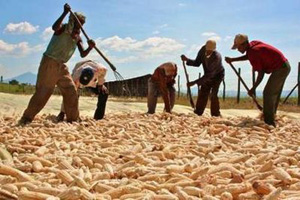
He owns land eight times the size of Mumbai, most of it in distant Ethiopia. His company, Karuturi Global, figures among the top 25 agri transnational corporations. But he wants more -- to break into the top 10 and rub shoulders with the likes of ConAgro and Cargill.

Ramakrishna Karuturi does not feature on any international power list. Perhaps he should.

The 'Food Pirates' are fast expanding their network, their reach and their control over land. And it is happening fast in our own neighbourhood, writes Devinder Sharma.
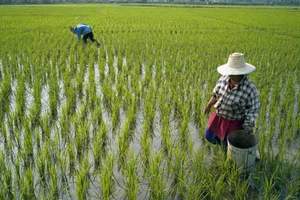
If Islamabad chooses to sell valuable agricultural lands, may be India could help itself in partnership with the Gulf businessmen who want to produce fruit and vegetables in Pakistan. After all, the Gulf knows a lot less than India about agribusiness and we might well want to import food in the not too distant future.

Tanzania has offered to lease land to Indian private companies for a period of 99 years, as it pitched for increased investment in the agricultural sector.
Ethiopia’s government ruling tribal junta has defended its plan to offer 2.7 million hectares of farmland to foreign companies despite millions of citizens who need food aid from the international community.
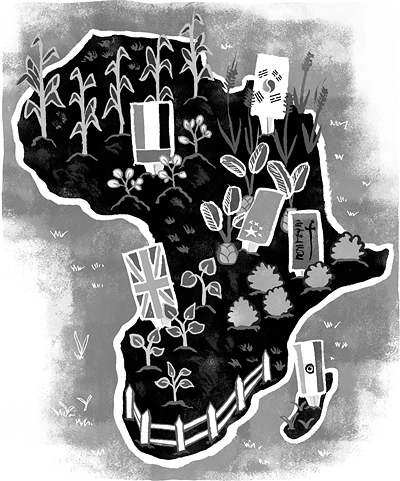
What started as a government drive to secure cheap food resource has now become a viable business model and many Gulf companies are venturing into agricultural investments to diversify their portfolios.