
ARTE : Planète à vendre
- ARTE
- 27 Mar 2009
Cette partie de monopoly planétaire inquiète au plus haut niveau.
A conference for fund managers tied to agriculture held annually in Sydney by Austock, an Australian broker, attracted a few dozen contrarian souls three years ago. This year’s event, which began on March 16th, had to be restricted to several hundred ticket-holders, with many others turned away.
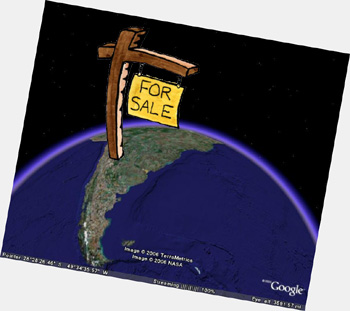
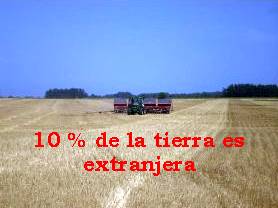
Según cálculos de la Federación Argaria Argentina, casi un 10 por ciento del territorio nacional está vendido a extranjeros o a la venta
“We have a land fund in South America, we have in Ukraine. Now we are developing one in Africa. We need to acquire land for farming,” says Guy de Montule, Louis Dreyfus’ chief executive officer for Middle East and Africa
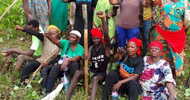
Colombian indigenous took their protest to Colombia’s capital Bogotá this weekend. Their struggle is about controlling the land in which they have lived and taken care of for hundreds of years, the latest culprits being irregular armed groups controlled by the traditional landowners and foreign companies (Chiquita Brands being the best example).
Angola, one of the world's fastest-growing economies, has launched an ambitious plan to exploit both its fertile soils and high global food prices to attract $6bn (€4.3bn, £3.4bn) in agriculture investments over the next five years.
As with timberland, while direct ownership and management (i.e., being a farmer), is a possibility, such a route is similarly fraught with difficulties. One of the most significant of these is the issue of diversification in the farmland itself - especially with a single investment. A well-diversified holding of farmland (row crop, permanent crop, pasture and even timber) will, therefore, not only require a significant investment, but may also involve land holdings in a number of different locations.
There is Korean land in Argentina: 20,894 hectares of pampas some 1,000 km northwest of the capital Buenos Aires. The Korean government bought the land in 1978 for US$2,115,000, but it has remained neglected for about 30 years.
Contributing their bit to the global Indian takeover, the government and India Inc plan to buy sizeable land abroad for cultivation. Seen as a long-term answer to keep prices of farm products under control, the grand plan envisages acquisition of large tracts of land in neighbouring countries like Myanmar and far off places like Paraguay.
The fund’s strategy is to own and manage funds which operate in largely unsubsidised farming countries and are among the lowest cost producers of their chosen commodity or livestocks.
Agacpita President Steven Johnston explains the philosophy of investing in farmland
Hedge funds and investment banks are swapping their Gucci for gumboots as they bet on rising food prices by buying farms.