Fair access to land and food: How to stop global land grabbing
- Greens/EFA
- 08 Mar 2012
Conference organised by the Greens / EFA in the European Parliament




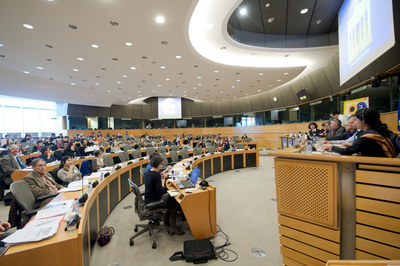
Conference organised by the Greens / EFA in the European Parliament
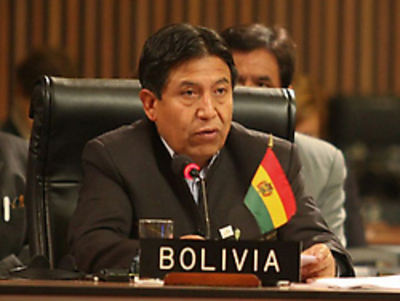
Se propone un Proyecto de Declaración que contenga mecanismos para la no privatización del agua y la no extranjerización de la tenencia de la tierra.
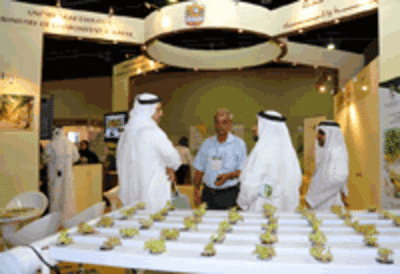
The governments in the Gulf region are investing heavily in outside farmland acquisitions and leases besides injecting money into the domestic food production industry, according to an expert ahead of a major agriculture expo.
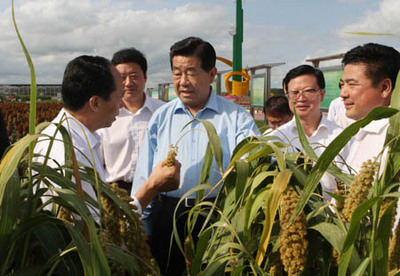
Beidahuang State Farm Group has started to plant soybeans on 13,000 hectares of farmland in Argentina, while COFCO says it is looking for opportunities to invest in Argentina and Brazil for grains production and in Australia for sugar production.
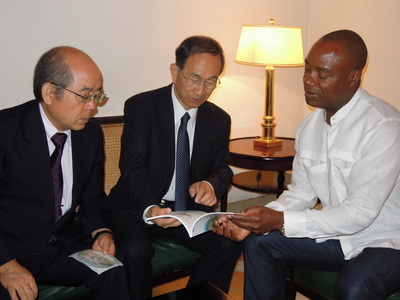
This report, prepared by Japanese consultants, provides information on the initial planning and discussions for the Nacala Corridor project, between the governments of Mozambique and Japan.
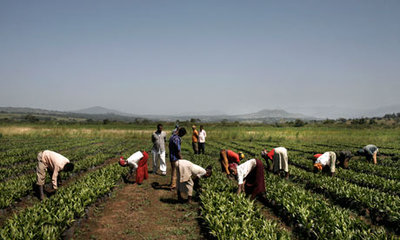
Companies investing in land in Africa and elsewhere need guidelines to ensure the human rights and dignity of local communities are protected

A government map leaked to International Rivers delineates sugar plantations with a total area of 2,450 square kilometers – almost the size of Luxembourg – that the Ethiopian government is seeking to develop in the sensitive ecosystems of the Lower Omo Valley.
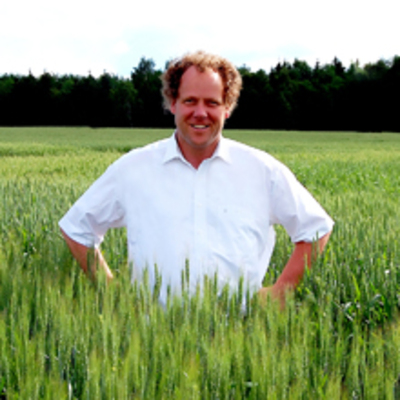
German-based Ekosem-Agrar unveiled a E50m bond issue to raise funds for doubling its Russian milking herd, and expanding its 160,000-hectare landbank, extending the wave of investment heading into the country's dairy market.
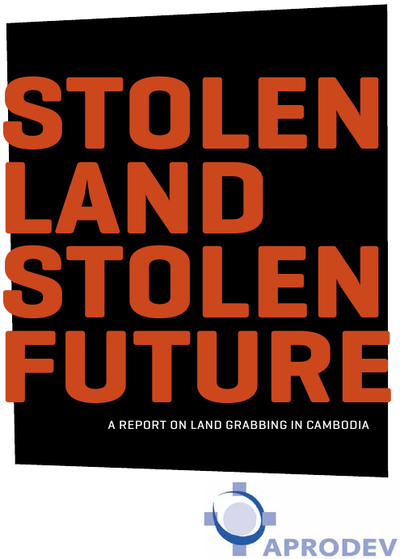
This report from APRODEV documents how communities in Cambodia have lost their livelihoods because of land grabbing by national and international business corporations.
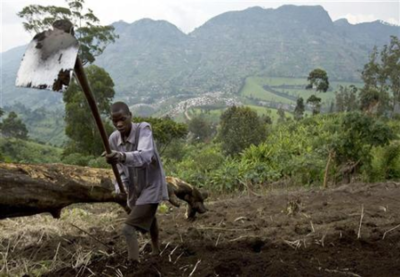
A law meant to breathe new life into agriculture in Democratic Republic of Congo risks scaring off needed foreign investment due to a clause calling for farms to be majority-owned by Congolese, according to investors and other sector players.
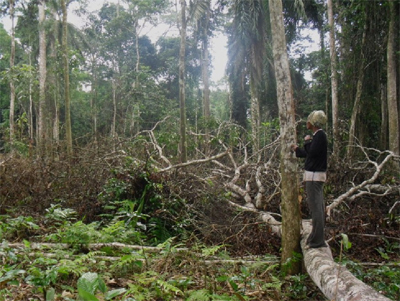
Le Centre pour l’environnement et le développement dénonce la concession de 73 000 hectares accordée par l’État camerounais à une société américaine qui vise une production annuelle de 400 000 tonnes d’huile de palme. 25 000 riverains seraient affectés par ce projet.

In the run up to Rio+20, the United Nation Environment Programme Foresight Panel has flagged the adverse impact of the "new land rush" as a cause of concern.