 Plataforma | 27 March 2026
Angola opens up land to China
by Gonçalo Francisco
The Government of Angola has moved forward with granting large areas of land to Brazilian and Chinese business groups in order to boost agricultural production in the country, with a focus on large-scale production of cereals, oilseeds, and meat. The strategy is part of a new phase of international cooperation aimed not only at increasing domestic food production, but also at turning Angola into a regional exporter of agricultural products.
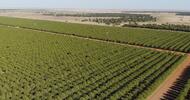
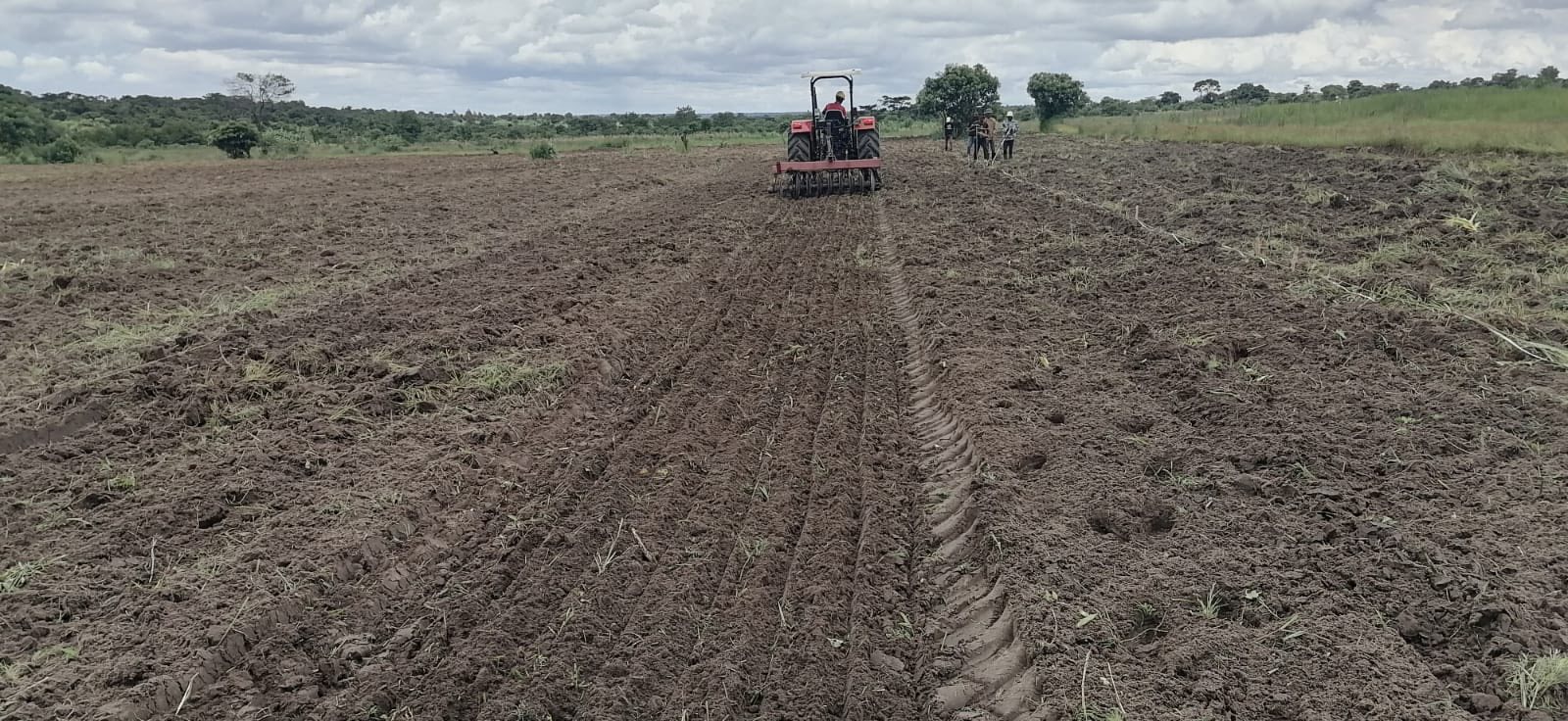
According to Angola’s Government Portal, the State will allocate around 800,000 hectares in the provinces of Malanje and Cuanza-Norte for the establishment of large farms. In these areas, soybeans, corn, cotton, oranges, beef, poultry, and pork will be produced—sectors in which Brazil and China stand out for their technological and productive capabilities.
At this stage, the initiative comes amid advanced negotiations with the Brazilian government to establish an agricultural cooperation agreement that includes technology transfer and private investments estimated at around 120 million dollars for projects in the agricultural regions mentioned. The goal is to increase local production capacity and create conditions for exports, reducing dependence on food imports.
Another major operation planned is a project led by the Chinese company CITIC, which has already announced an investment of 250 million dollars to develop up to 100,000 hectares of land for corn and soybean cultivation in the country, with part of the output intended for export.
This initiative is not merely a land concession. It is the beginning of a long-term partnership focused on technology, the integration of farming communities, and the creation of a sustainable value chain that benefits Angola — Adriano António Pimentel Henriques, Provincial Department Head of the Forestry Development Institute in Cuanza-Norte.
Still regarding the role of Chinese capital, projects such as those announced by the company CR20 include an investment of tens of millions of dollars in the cultivation of corn and soybeans over thousands of hectares, with a significant share of the production destined for external markets, in a clear effort to integrate Angola into China-centered trade chains for cereals and agricultural products.
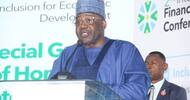
In statements to PLATAFORMA, Adriano António Pimentel Henriques, Provincial Department Head of the Forestry Development Institute in Cuanza-Norte, highlighted the strategic vision behind the process.
“We opted for Brazilian and Chinese partners because these countries have proven experience in large-scale agricultural production and advanced technologies suited to the tropical climate. Brazil is a benchmark in soybeans, corn, and cotton, while China has expertise in agricultural mechanization and logistics integration. This combination makes it possible to accelerate the sector’s development, generate jobs, and create a sustainable value chain that benefits Angola,” he said, emphasizing a long-term partnership.
Sustainable benefit
“This initiative is not merely a land concession. It is the beginning of a long-term partnership focused on technology, the integration of farming communities, and the creation of a sustainable value chain that benefits Angola. We want robust and sustainable production, linked to food security and job creation,” he said, adding shortly afterward that what will come from China and Brazil is, above all, knowledge.
“The involvement of Chinese and Brazilian partners is not just financial capital. It is the transfer of technical knowledge in high-yield agricultural practices and integrated planning mechanisms—something our rural sector has lacked for decades,” he said.
Adriano Henriques stressed that the investments are expected to “include not only the installation of such farms, but also the technical training of local labor and the construction of associated infrastructure, such as irrigation systems and silos, in order to ensure the sustainability of operations.”
The same strategy has been followed in industrial and logistics investment projects, integrating public and private efforts to boost sectors such as agriculture, fertilizers, and transport infrastructure.
The Angolan government is also counting on the participation of local banks in financing the operations, as well as on institutional support mechanisms to ensure that the projects move forward in an orderly manner and to the benefit of the national economy.
The combination of land concessions, foreign investment, and technology transfer places “Angola as a potential new agricultural hub, with a vast expanse of still underutilized arable land and a climate favorable to the production of tropical crops,” said the official, also emphasizing that this strategy could, in the future, position the country “as a leading player in the global agricultural market and attract additional investment flows into the region.”