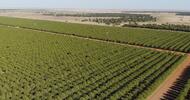
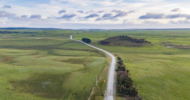
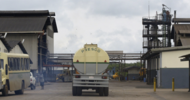
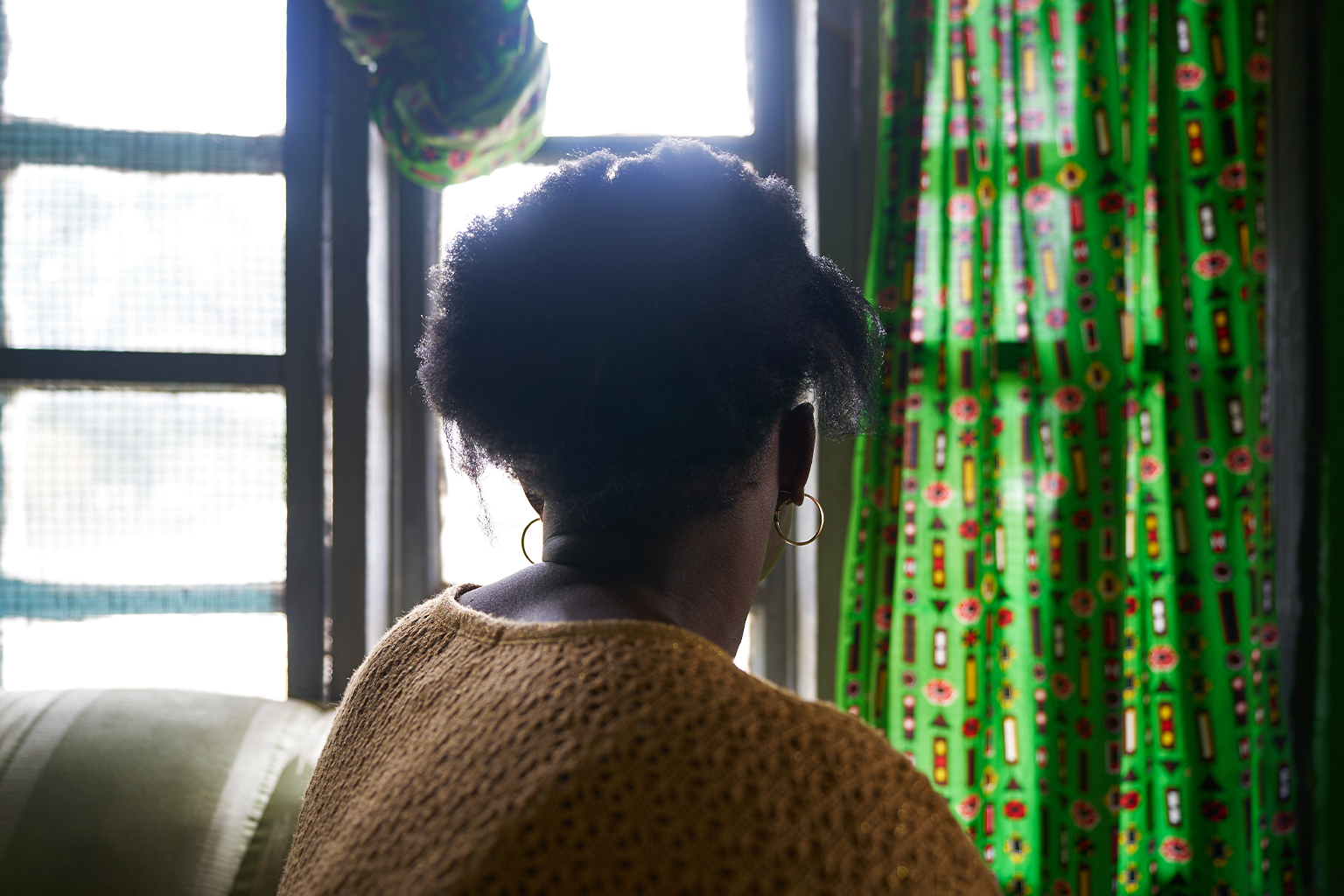
 In 2023, women working at the Salala plantation told Mongabay their managers often tried to pressure them into sex. Photo: Ashoka Mukpo/Mongabay).Mongabay | 9 April 2026
Four years later, the CAO completed its investigation, concluding that many of the complaints were valid. The IFC developed an action plan, which it committed to implementing along with Socfin.
In contrast to what followed many previous CAO investigations, the Salala management action plan included several clear and concrete actions. Where compensation for lost crops was below IFC standards, it was to be adjusted retroactively. The IFC also committed to pay for women’s economic empowerment activities for survivors and their families, including livelihood support and psychosocial activities, as well as sexual and reproductive health services for survivors of sexual violence in the communities in and around the plantation.
According to the IFCs second progress update, none of these items have been implemented.
The matter has been complicated further because Socfin repaid the IFC loan in 2020 and then sold Salala to a local rubber processing company, Jeety Rubber, in 2024.
Jeety, owned by Indian businessman Upjit Singh Sachdeva, did not respond to Mongabay’s requests for comment.
Asked to detail which parts of the action plan were carried out between the first progress report in June 2025 and the second one, in December, IFC spokesperson Gavin Thorpe referred to the MAP commitments, and said, “Beyond that and other publicly available information on the CAO’s website, we don’t have anything further to share.”
Socfin spokesperson Ludovic Saint-Pol told Mongabay via email that the company was committed to implementing its own, separate action plan, which was developed together with the environmental consultancy Earthworm Foundation. According to Saint-Pol, their action plan was completed in summer 2025. “Since then, while we remain open to dialogue and in contact with IFC, we have not received further detailed information regarding the implementation of the MAP.”