 Photo: Nipah Dennis/AFPNews Ghana | 10 June 2026
Carbon credits lure private investors into Ghana’s forest reserves
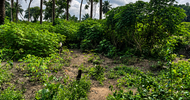
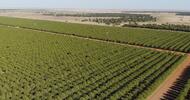
More than 350 private companies and individuals operate commercial plantations in Ghana’s forest reserves, chasing timber and carbon credit income, the Forestry Commission said at the June 5 Tree for Life launch.
The figure signals a quiet shift in how Ghana’s forests earn their keep. Logging brought in about $260 million last year, but the commission is now building a forest economy with several income streams, from carbon markets to a tourism trade growing at double digits, a hedge that matters for the roughly 20 percent of Ghanaians who depend on forest resources for their livelihoods.
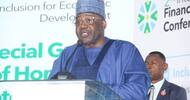
Chief Executive Dr Hugh Brown said the plantations inside forest reserves are being developed mainly for timber production and carbon credit generation, with the private interest reflecting confidence in the restoration agenda. The remarks came at the launch of the 2026 Tree for Life Reforestation Initiative at West Africa Senior High School in Accra, timed to World Environment Day under the theme Forests and Economies.
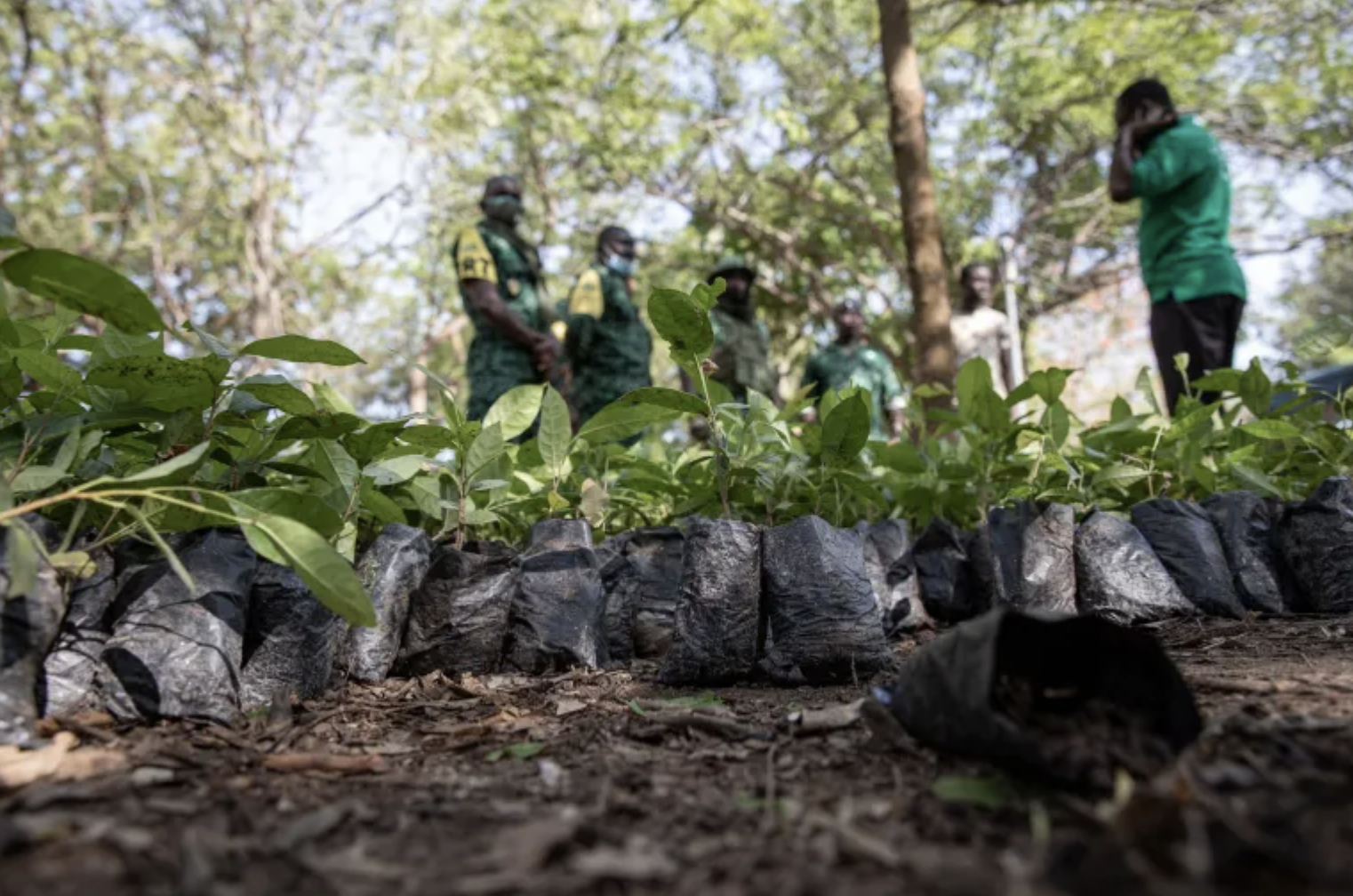
The restoration drive has a hard target. Government wants 30 million seedlings in the ground before the rainy season ends, with 13.2 million on state plantations, 12.2 million on private plantations, 3.5 million on farms, two million as amenity planting and 279,000 as enrichment planting. The 2025 edition exceeded its goal, planting nearly 31 million seedlings and restoring more than 23,600 hectares of degraded land. Seedlings are available free at commission offices nationwide.Lumber
Tourism supplied another bright spot. Ecotourism sites in wildlife parks and forest reserves drew about 800,000 visitors in 2025, more than 20 percent above the previous year. On the production side, 952,000 cubic metres of timber and timber products went to local and export markets, generating the $260 million figure.
The asset underneath remains under attack. Dr Brown flagged illegal logging, wildfires, land degradation and unsustainable exploitation as growing threats to the 6.4 million hectares of forest covering about 27 percent of the country, of which only 1.02 million hectares remain closed canopy. The forests also shield cocoa farms with the microclimate the crop needs and feed major rivers including the Pra, Densu, Ankobra and Tano.
To defend the resource, the commission is reviewing the Forestry Commission Act, introducing payment for ecosystem services schemes, expanding ecotourism investment, building forest protection camps and intensifying training for frontline staff.
Whether 30 million new trees outpace the chainsaws and fires will be measurable this time next year.