 Ecofin | 16 June 2026
After China, Ghana seeks to attract Thai capital into its palm oil industry
Ghanaian authorities have begun discussions with Thai operators to attract new investments into the country’s palm oil value chain as the government pursues its goal of achieving self-sufficiency in edible oils.
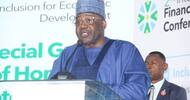
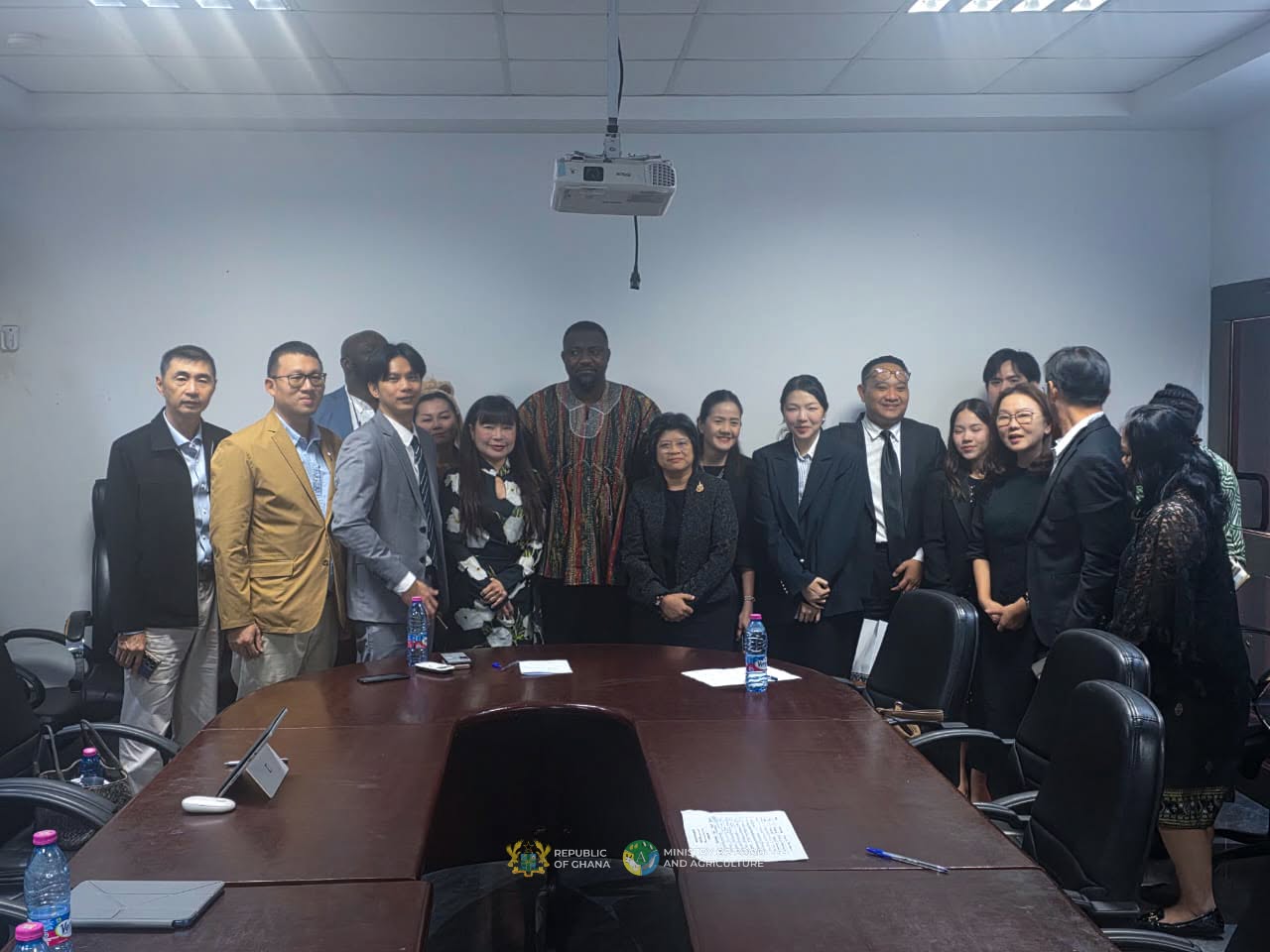
The initiative emerged from a meeting held in Accra on June 15 between John Dumelo, Deputy Minister for Food and Agriculture, and a delegation from Thailand that included officials from the Thai Ministry of Foreign Affairs as well as representatives of Thai companies and financial institutions.
“A highlight of the meeting was the interest expressed by Thai investors in Ghana’s palm oil sector. The delegation explored opportunities to establish palm plantations and processing facilities to meet growing industry demand,” the ministry said in a statement. In response, the Ministry of Food and Agriculture pledged to facilitate access to agricultural land for prospective investors in the Oti, Ashanti and Ahafo regions, which authorities have identified as high-potential areas for oil palm cultivation.
Although the parties have not yet signed any agreements, the discussions underscore Accra’s determination to attract foreign investment and accelerate the development of the domestic palm oil industry. The initiative follows a similar appeal made by Agriculture Minister Eric Opoku in March, when he called on Chinese investors to support local palm oil production.
An Ambitious Development Program
The renewed push for foreign investment comes as the Ghanaian government reaffirms its objective of achieving palm oil self-sufficiency.
To support this goal, Accra has introduced an Integrated Oil Palm Development Policy covering the 2026–2032 period. The government has backed the strategy with a $500 million financing facility designed to support industrial projects and new plantations. According to Ghana’s 2026 Budget Statement and Economic Policy, the facility will provide long-term loans, a five-year repayment grace period and concessional interest rates.
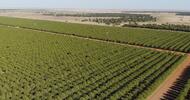
The mechanism will also finance up to 70% of eligible industrial project costs linked to palm oil sector development. Authorities expect these measures to attract private investors, mobilize additional financing and accelerate industry growth. The program also includes plans to establish 100,000 hectares of new plantations to expand the country’s production base.
Leveraging Thai Expertise
Beyond attracting capital, Ghana also aims to benefit from Thailand’s industrial and technological expertise in the palm oil sector. Thailand ranks among the world’s leading palm oil producers and has developed an integrated ecosystem spanning cultivation, processing and distribution. The Asian nation ranks as the world’s third-largest producer after Indonesia and Malaysia. According to the U.S. Department of Agriculture (USDA), Thailand produces approximately 3.8 million metric tons of palm oil annually. Thailand also ranks as the world’s third-largest exporter, shipping more than 1 million metric tons each year. Its position in global markets reflects a highly structured and competitive industrial base.
Against this backdrop, the discussions between Ghanaian authorities and Thai operators could pave the way for partnerships that combine direct investment, technology transfer and the gradual strengthening of Ghana’s palm oil industry.
This article was initially published in French by Stéphanas Assocle