Ethiopia’s farm investment plans falter on flood plain
- Bloomberg
- 26 November 2013
Karuturi, like many other large-scale investors, underestimated the complexity of opening land for large-scale commercial agriculture.




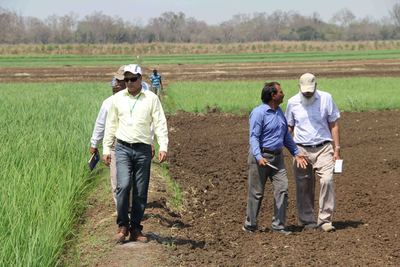
Karuturi, like many other large-scale investors, underestimated the complexity of opening land for large-scale commercial agriculture.
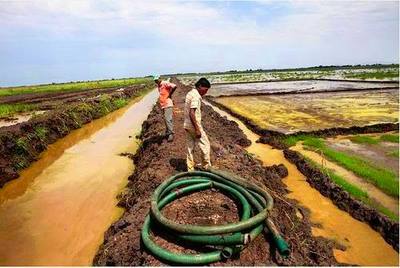
The Pakistani company MCG Consulting, which had been working with Saudi Star Agricultural Development Plc on a rice farm in the Gambella Regional State, has pulled out of the project.

Quelle que soit la finalité — production agricole ou investissement financier —, de ces accaparements des terres, les bénéfices échappent presque toujours aux communautés locales. L’exemple de l’Ethiopie est emblématique.

A violent attack on a tea plantation leased by Indian-owned Verdanta Harvest Plc, a subsidiary of the Noida-based Lucky Group, has renewed concerns over Ethiopia’s policy of leasing out large tracts of land to international investors.

In the face of evidence, the UK and US continue to deny systematic human rights abuses are occurring in the Lower Omo as thousands are displaced for an irrigation scheme.

Ethiopia's huge agricultural output has brought about an economic miracle for the nation. But inhabitants are being pushed out of their native land by foreign investors and have no share in the profits.

Anuradha Mittal of the Oakland Institute speaks abouthow farmers in Ethiopia are being pushed off their land to make way for multinational agribusiness.

Huge delegation lead by Ethiopian prime minister Hailemariam is on a tour at Shabelle region to inspect lands prepared for investors.
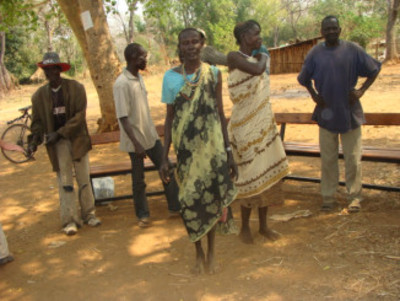
Anywaa Survival Organisation (ASO) recently had an opportunity to interview affected community representatives and leaders who fled their homes in Gambela and Lower Omo because of government land grabs.

«Nous avons des projets en Afrique, notamment au Soudan, en Ethiopie, au Kenya, en Tanzanie et au Mozambique. Notre idée est d’aller dans ces pays qui nous offrent des terres agricoles et beaucoup d’eau».
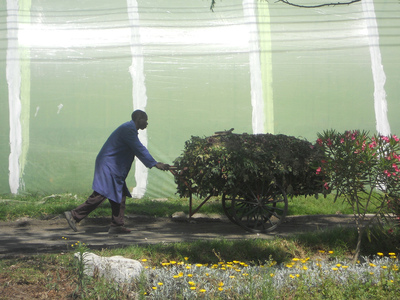
Flower growers in Kenya have gone on strike to protest unpaid wages from Karuturi Global, the Indian flower export multinational.
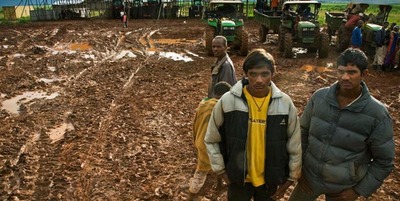
After enabling foreign firms to grab vast stretches of land, the government has begun to review its land policy.