Understanding the Ethiopian land grab phenomenon
- Ethiopian Review
- 11 October 2011
New book explains the reasons behind the land grab phenomenon and why so many Ethiopians are not only alarmed but also adamantly opposed to it.




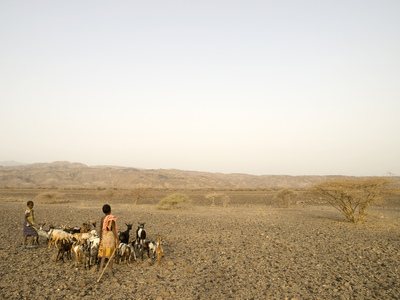
New book explains the reasons behind the land grab phenomenon and why so many Ethiopians are not only alarmed but also adamantly opposed to it.
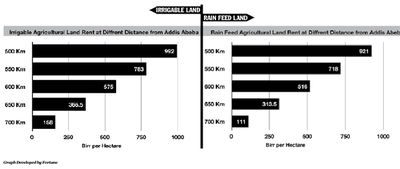
The MoA has identified a total of 2.6 million ha of land fit for cultivation of cotton, which is equivalent to what Pakistan, the fourth largest cotton producer in the world, uses for the same purpose.
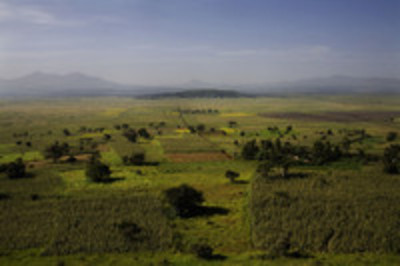
Karuturi Global Ltd. is to construct embankments around 25,000ha of farmland, half the size of Addis Abeba, in Gambela, at a cost of US$15 million, following its report of a loss of US$15 million due to flooding.
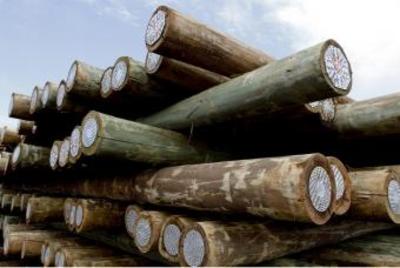
Grandes compañías compran tierras para producir alimentos que luego exportan - Mientras, los habitantes locales pasan hambre.
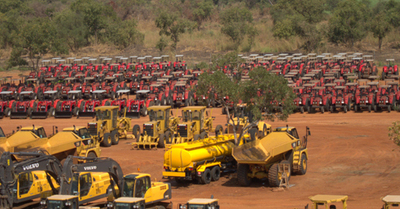
The flooding that breached specially built barriers near Karuturi’s plantations couldn’t have been predicted, Karuturi claims.
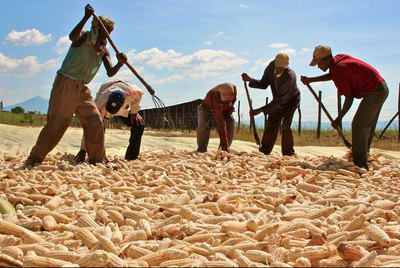
Karuturi in a statement said the floods had affected its maize crop in over 12,000 hectares of land that has been leased to them.
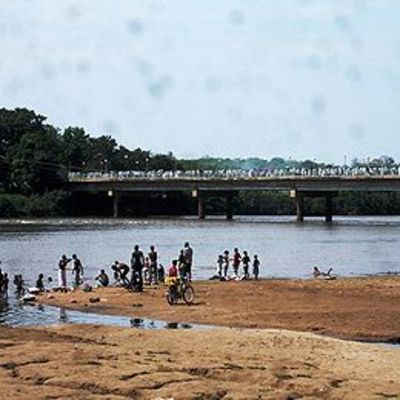
The bursting of the river banks of Baro and Alwero has resulted in the submergence of the crop, adding a loss of hope for producing a sizeable maize crop by Karuturi.
Die beiden neu veröffentlichten Dossiers „Landnahme in Kenia“ und „Landnahme in Äthiopien“ stellen Land Grabbing in diesen nahrungsunsicheren Ländern auf den Prüfstand des Menschenrechts auf Nahrung.
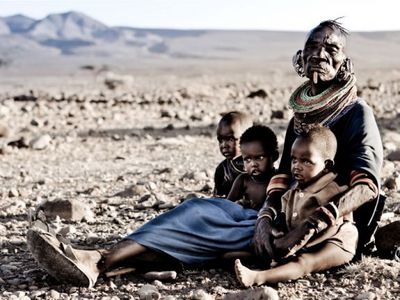
Desperate for foreign investment and the promise of development, African governments are increasingly offering to foreigners what their people rely on most—land
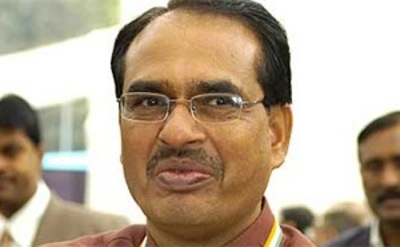
Chief Minister of Madhya Pradesh's meetings with a delegation from Kenya, Karuturi and Ethiopia were focused on agriculture development and possible areas of work for mutual benefit.
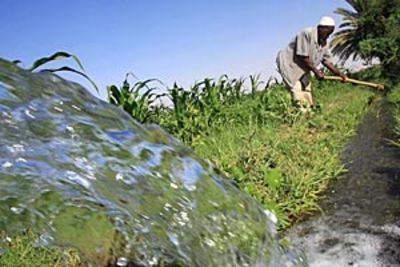
Seit drei Jahren wird verstärkt afrikanisches Land an ausländische Investoren verpachtet - Ein Äthiopier berichtet von den negativen Folgen.
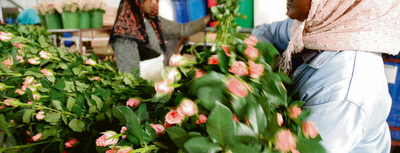
Äthiopien-Experte Ochalla über die große Einkaufstour fremder Agrarkonzerne in Afrika.