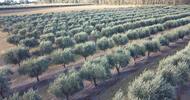
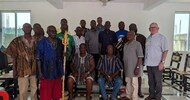
In June 2009, the Indian company Karuturi took up intensive farming in Ethiopia. The harvest will be exported to Asia and Europe.
- L'Hebdo
-
03 September 2009
Indiens et Saoudiens sont sur le point d’effectuer leur première récolte sur sol éthiopien. Le pays a prévu de céder 2,7 millions d’hectares aux étrangers.
- L'Hebdo
-
03 September 2009
Le gouvernement éthiopien mettra 2,7 millions d’hectares à disposition des investisseurs étrangers, 1,6 million d’ici à octobre, à des conditions privilégiées. Enquête excellente de l'Hebdo en Ethiopie et au Madagascar.
- L'Hebdo
-
03 September 2009
Land buying firms no longer disclose their identities to avoid tarnishing their image
- Daily Nation
-
30 August 2009
"Jamais deux sans trois", dit-on. L'adage se vérifie avec la concession du Malawi, après l'Ethiopie, de quelques 55 000 ha de terres agricoles en faveur de Djibouti.
Ginbot 7 unequivocally believes that Ethiopian sovereignty trumps contractual obligations.
Ethiopia is on the defensive over a plan to offer 2.7 million hectares of land to foreign, mainly Asian, companies despite millions crying out for food aid from the international community.
- Business Daily
-
14 August 2009
Ethiopian government has defended its plan to offer 2.7 million hectares of farmland to foreign companies despite millions of citizens who need food aid from the international community.
- Daily Nation
-
13 August 2009
The terms of farmland deals are hardly made public. Although a theoretical possibility exists in a few cases for some transfer of technology for agricultural development, risk also exists to peasant farmers who cannot compete with well-resourced commercial farms. Take, for instance, the case of barley and oilseeds producers in Ethiopia.
- Abugida Info
-
13 August 2009
The consensus is that Africa is being out-gunned. While regulations & rules are debated, the amount of land being bought up by foreign investors is increasing at a rapacious speed.
- Deutsche Welle
-
13 August 2009
Emami Biotech's project has already begun at Awash Sebat Kilo some 250 km east of the capital Addis Ababa growing Jatropha, sunflower, castor, pulses and various herbs at a cost of $24 million.
Because of the political sensitivity of the modern-day land grab, it is often only the country's head of state who knows the details. Der Spiegel investigates.