Kremlin urges grain exporters to tackle world hunger
- Reuters
- 06 June 2009
International executives urged Russia to maximise its potential by encouraging more private investment and opening up more land to foreign investors.




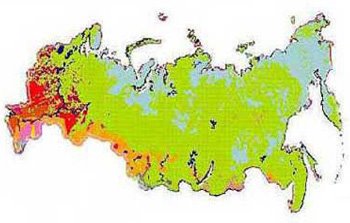
International executives urged Russia to maximise its potential by encouraging more private investment and opening up more land to foreign investors.
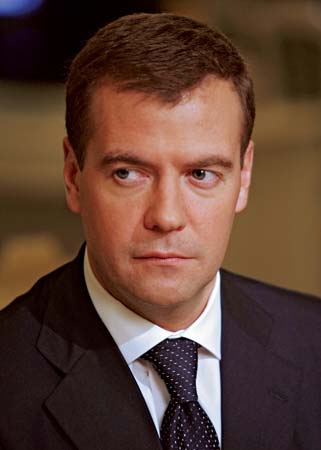
"In the conditions of the current food crisis, development of 20 million hectares of Russian agricultural land, unused since 1991, could be re-launched," says Russia's president
Russia, its appetite for cheap poultry meat growing, is spending billions of dollars developing its poultry farms to slash its dependence on imports and squeeze U.S. suppliers from their biggest export market.
CNN's John Defterios takes a look at how Middle Eastern countries are scouring the globe for farmland.
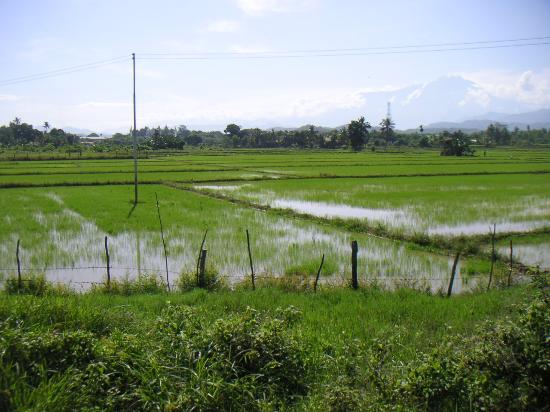
Russian grain processing firm PAVA plans a farmland investment road show across the Gulf region over the next two months and is open to selling shares to Middle East investors as it aims to triple the land under its control.
PAVA together with its agricultural subsidiary explores the investment potential of Russian lands amid the world booming demand on agricultural resources
Food-importing nations from South Korea to Saudi Arabia may step up purchases or leases of overseas farmland to lock in supplies amid concern prices may again surge. “We’re going to see more of this, especially from countries that are quite dependent on imports,” Brady Sidwell, head of advisory at Rabobank Groep NV’s Northeast Asia Food & Agribusiness Research and Advisory Group, said in a Bloomberg Television interview broadcast today.
Les Finlandais ont demandé à Dmitri Medvedev, par le biais de leur présidente Tarja Halonen, de leur permettre d'acheter des terrains dans les zones frontalières russes.

Officiellement, les terres arables louées à la Chine n’existent pas. C’est que les autorités kazakhes craignent la réaction de la population rurale devant la “concurrence déloyale” représentée par l’arrivée en masse de paysans chinois, dont l’équipement agricole est supérieur au vieux matériel soviétique encore utilisé sur la plupart des exploitations kazakhes.

Hyundai Heavy Industries -- the world's biggest shipyard -- has bought a big tract of Russian farmland in one of the latest diversification moves by Korean firms. But here's a question: Have performance- and profit-obsessed Hyundai Vice Chairman Min Gye-sik and its CEO Choi Kil-seon voluntarily decided on the move or has the company's biggest stakeholder pushed for the plan?

Hyundai Heavy Industries Co., the world’s largest shipbuilder, bought 67.6 percent of a Russian farm to grow corn and soybeans, heeding a call by the Korean government to help ensure food security. The shipbuilder purchased the stake from a group of New Zealand investors for $6.5 million and plans to produce 60,000 metric tons of corn and soybeans in 2014.
South Korea's Hyundai Heavy Industries yesterday announced it planned to lease 50,000 hectares of farmland in Russia's far east, in the latest sign of Seoul's push to increase its food security by outsourcing agricultural production overseas, writes Javier Blas