Mapping Cambodia's land concession
- LICADHO
- 25 April 2015
LICADHO, a Cambodian human rights group is releasing its land concession dataset and renewing its call for the government to fully disclose all concessions.




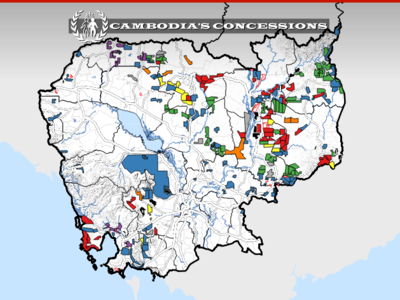
LICADHO, a Cambodian human rights group is releasing its land concession dataset and renewing its call for the government to fully disclose all concessions.
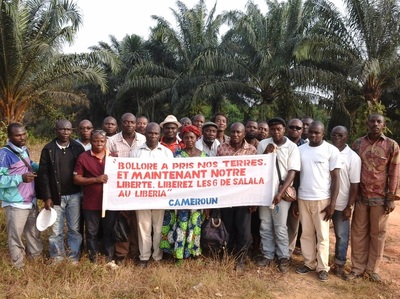
Farmers in Africa and Asia on Wednesday announced in a statement a string of protests over a holding company Socfin Bollore's "landgrab" in their areas.
Peasant farmers deprived of their lands launch a series of occupations on Socfin’s plantations in Cameroon, Liberia, Cambodia and Côte d’Ivoire from now until the annual shareholder meetings of the Socfin group (27 May) and the Bolloré group (4 June).
Les paysans privés de leurs terres lancent une série d’occupations sur les plantations Socfin au Cameroun, au Liberia, au Cambodge et en Côte d’Ivoire qui va durer jusqu’aux Assemblées Générales des groupes Socfin (27 mai) et Bolloré (4 juin).
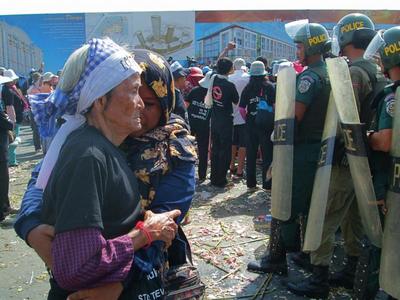
Dix militantes du droit à la terre emprisonnées au Cambodge dans une affaire devenue le symbole de la répression menée par le régime du Premier ministre Hun Sen ont été grâciées, a annoncé dimanche une ONG.
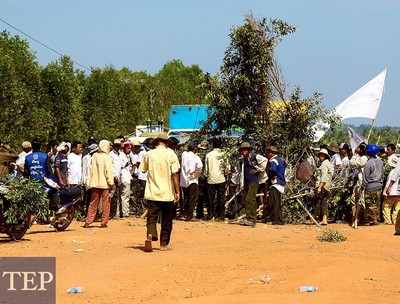
A growing number of reports link Cambodia’s land titling campaign with land grabbing and deforestation, particularly in indigenous communities.
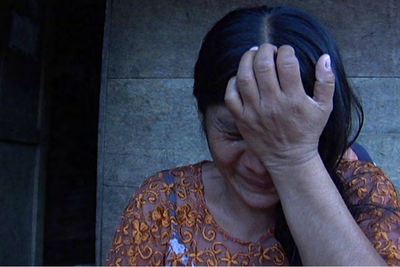
Au Cambodge, au Honduras, en Inde et au Guatemala, des ONG relatent des faits de répression, d'accaparements de terres et de violences ayant entraîné des morts suite aux prêts de la Société financière internationale.

Land concessions and economic development have trampled efforts by Cambodia's indigenous communities to secure customary lands. In 2015, a report says, 267 Economic Land Concessions occupied 2,196,628 hectares, or more than 60 per cent of Cambodia’s arable land.
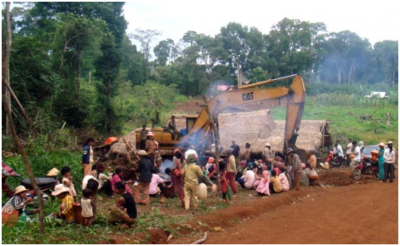
Seoung Sarat says he lost his right leg in 2009 because of a conflict with a company that was granted his land by the government to use for large-scale farming.
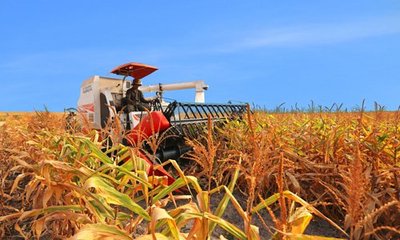
The head of Hoang Anh Gia Lai Group, Doan Nguyen Duc, now owns 46,000 ha of rubber, 10,000 ha of sugar cane and 6,000 ha of corn in Vietnam, Laos, Cambodia and Myanmar and plans to raise 236,000 cows in Laos.
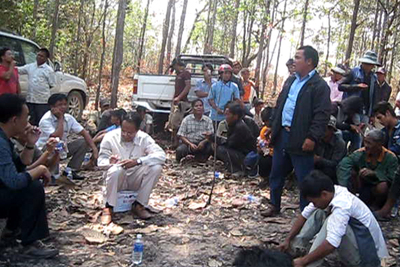
More than 200 representatives from remote northeastern Cambodian province refused to accept gifts from land concession company in exchange for clearing their communal land for a rubber tree plantation.
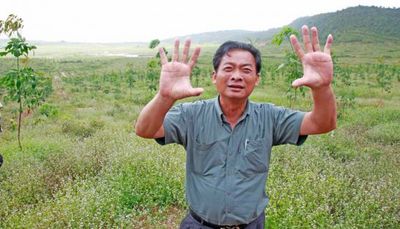
Fourteen companies have been put on a watchlist by Cambodia's Ministry of Environment for failing to live up to their investment promises. The ministry also said it had reduced the firms' land concessions by 14,000 hectares.