News Ghana | September 4, 2025
IMANI Warns Ghana-Qatar Deal Risks Colonial Export Pattern
Ghana’s prominent policy think tank IMANI Africa has criticized the country’s $1.5 billion agricultural partnership with Qatar, warning it could recreate colonial-era patterns of exporting raw commodities while importing finished products.
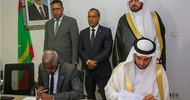
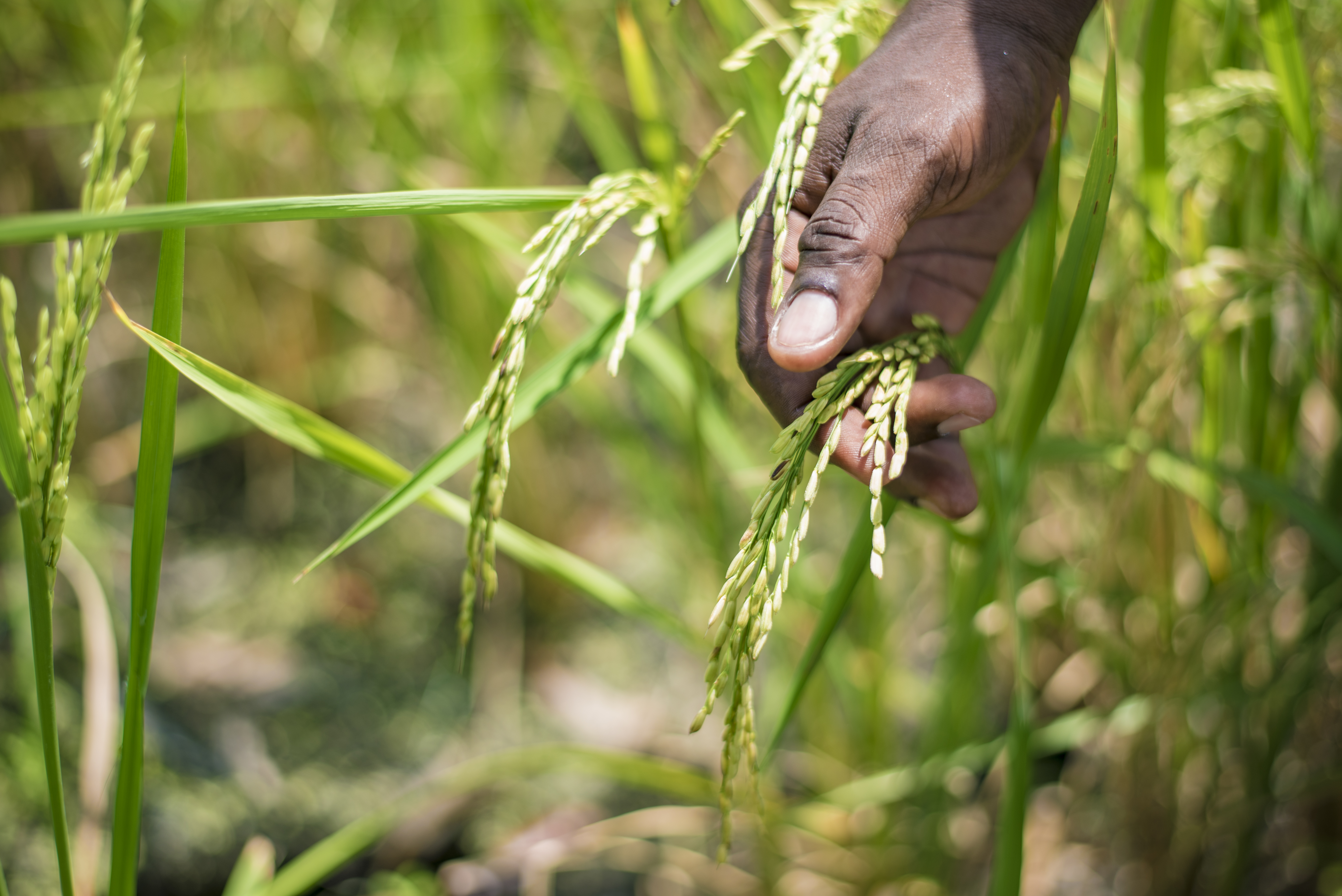
The agreement, announced by the Ministry of Food and Agriculture, involves Qatar securing and irrigating farmlands in Ghana, allocating them to farmers for large-scale cultivation, and subsequently purchasing the produce for export to Qatar. The partnership is expected to create more than 2,500 direct jobs by November 2025.
IMANI Africa questions whether the arrangement adequately protects Ghana’s domestic food security, arguing that dedicating prime irrigated farmland primarily for export could worsen the country’s reliance on food imports.
The think tank’s analysis highlights a fundamental concern about resource allocation. Ghana already spends heavily importing rice, poultry, and processed foods, raising questions about the wisdom of committing agricultural resources to serve foreign markets rather than domestic needs.
“If the bulk of production is contracted for export to Qatar, how much will remain for Ghana’s own food needs?” IMANI stated in its critique. The organization fears Ghana could become a breadbasket for Qatar while continuing to import basic staples for its own population.
The criticism draws on research showing that Sub-Saharan Africa’s food insecurity largely stems from the legacy of export-oriented colonial agricultural production systems, which procured scarce fertile land, water, and labor to meet external industrial needs.
IMANI’s concerns extend beyond immediate food security to encompass value addition and industrial development. The think tank questions whether these farms will serve dual purposes, feeding both domestic food security needs and local agro-processing industries including rice milling, canning, and packaging facilities.
The Qatar deal represents part of a broader trend of Gulf state investments in African agriculture. Qatar has shown sustained interest in resource-rich African countries, emphasizing mining, electricity infrastructure, agriculture, and logistics investments that generate direct employment and regional trade integration.
IMANI argues that without clear safeguards ensuring domestic market access, Ghana risks locking itself into contractual export obligations that sideline local food needs. This concern becomes particularly acute given global climate uncertainties affecting food security worldwide.
The think tank’s critique comes as Ghana promotes various agricultural modernization initiatives. The government’s Agriculture for Economic Transformation Agenda (AETA) receives GH¢1.5 billion to modernize agriculture and improve productivity while generating rural jobs and enhancing food security.
IMANI advocates for restructuring the Qatar partnership to ensure farms serve dual purposes. The organization wants explicit provisions requiring production to feed local agro-processing industries while maintaining export capacity, preventing Ghana from repeating what it calls colonial-era cycles.
The debate reflects broader tensions in African agricultural development between export-oriented growth strategies and domestic food security priorities. Critics argue that large-scale land deals often occur in regions with high poverty and food insecurity rates.
Research shows that most large-scale land deals in recent decades have occurred in Northern Ghana, where illiteracy, food insecurity, and poverty rates are highest, making rural livelihoods particularly vulnerable.
The Qatar agreement includes provisions for infrastructure development and guaranteed markets, which supporters argue will boost agricultural productivity and foreign exchange earnings. The Ministry projects benefits including higher productivity and stronger export value chains.
However, IMANI maintains that these benefits must not come at the expense of domestic food security or industrial development. The think tank calls for transparent mechanisms ensuring adequate production remains available for local consumption and processing.
The criticism highlights ongoing debates about optimal agricultural development strategies for African nations balancing export revenue generation with domestic food security and industrial development objectives.
IMANI’s intervention reflects the organization’s broader focus on policy analysis affecting Ghana’s economic development. The think tank regularly evaluates government agreements and policies for their long-term implications on national interests.
The Qatar deal’s ultimate success will depend on implementation details that address both export revenue generation and domestic food security concerns, determining whether Ghana achieves genuine agricultural transformation or repeats historical patterns of resource extraction.