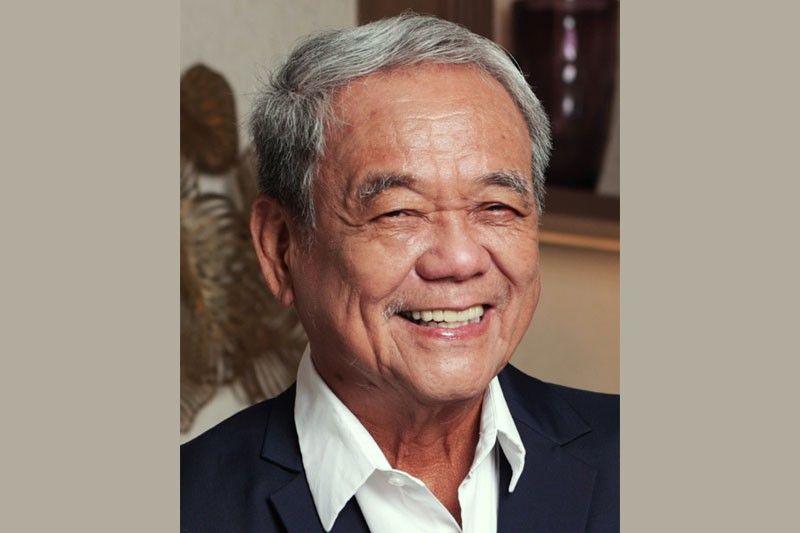
 DMCI Holdings Inc chairman and president Isidro ConsunjiThe Philippine Star | 29 June 2026
DMCI bets big on oil palm plantation, targets expansion to 20,000 hectares
by Jasper Emmanuel Arcalas
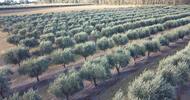
MANILA, Philippines — DMCI Holdings Inc. plans to expand its oil palm plantation to at least 20,000 hectares over the long term as it seizes opportunities in the country’s ever-growing vegetable oil market, its chairman and president Isidro Consunji said.
He said the long-term expansion is eyed across Zamboanga, Negros, Agusan and Sultan Kudarat, where DMCI already has presence in most of the provinces in various ventures.
Consunji said it costs around P250,000 to P350,000 to develop a hectare of oil palm. At present, DMCI, through its wholly owned subsidiary Sirawai Palm and Rubber Corp. (SPRC), manages some 5,000 hectares of oil palm with around 600,000 oil palm trees.
To meet the remaining 15,000 hectares of the target, DMCI needs to spend between P3.75 billion and P5.25 billion. Consunji said they plan to achieve the target planted area in seven years.
The need to expand DMCI’s current oil palm plantation is driven by the need to have a sufficient stream of raw material to sustain the operations of its oil mill.
Consunji said its mill, which is producing 30 metric tons per hour of palm oil, requires at least 10,000 hectares of oil palm to ensure optimal output. The oil mill’s capacity can still be doubled given its expandable capacity.
“The opportunities ahead are significant and we are committed to grow within the industry,” said Consunji in his speech during a recent investment forum organized by the University of Asia and the Pacific’s Center for Food and Agri Business.
Consunji emphasized that the country remains dependent on imports for its vegetable oil supply. He pointed out that local palm oil production meets only nine percent of the country’s 1.1-million metric ton annual demand.
Annual palm oil imports are valued at $1.5 billion with around 400,000 hectares of oil palm needed to meet domestic demand, Consunji added.
“Every dollar of import is a job, a farm, a community and foreign exchange savings that could have happened here,” he said.
“Large parts of Mindanao and Visayas have the rainfall and soil elevation that oil palm needs. The opportunity is here – the question is whether we are willing to build the industry,” he added.
DMCI’s current oil palm operations support close to 1,200 jobs – from harvesters, mill workers, civil works and support personnel. The conglomerate is also working with 275 outgrowers cultivating around 2,500 hectares of oil palm.
“Together with our plantation areas, we are now targeting 12,000 hectares total over the next five years. To support this scale, we are investing in processing infrastructure,” Consunji said.
The tycoon noted that oil palm’s net income potential ranges from P40,000 to P60,000 per hectare per year, double that of coconut.
“I have been stepping back from active management at DMCI and trying to spend more time in our own family’s agriculture business,” Consunji said.
“And the more time I spend on it, the more I am convinced that agriculture done right is one of the most meaningful investments anybody can make in this country. Not just economically, but in terms of real, visible impact on people’s lives,” Consunji added.
The country’s total planted area with oil palm last year fell by 5.5 percent to 64,575 hectares from 68,315 hectares in 2024, based on Philippine Statistics Authority data.