ProSavana files
- 25 May 2016
A collection of official ProSavana files and reports from 2009 to 2016.




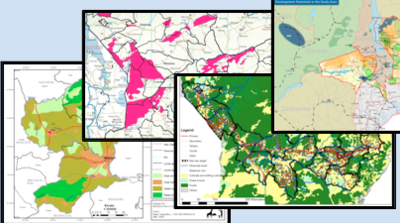
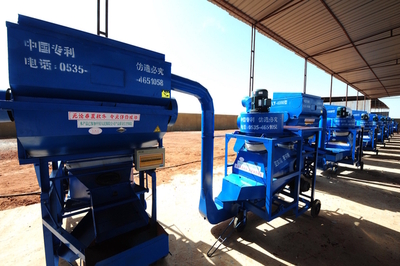
Based on new research in four African countries, Professor Ian Scoones says far from being on a land-grabbing spree in Africa, Chinese immigrant farmers and the deployment of Chinese agricultural technology and training programmes are having a positive impact.

Companies co-founded and run by Phil Edmonds, founder of leading African farmland investor Agriterra, paid “bribes” to African officials and have bought assets owned by secretive offshore structures, a campaign group has claimed.
Special issue of World Development suggests a key feature of Brazilian and Chinese engagements in African agriculture is the role of state–business relations in shaping and steering development, suggesting new forms of developmentalism.
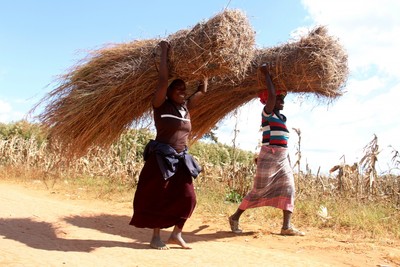
Empresas que se instalaram em Moçambique através de projetos exportados pelo Brasil avançam sobre as terras dos camponeses enquanto o país, em crise, se afasta dos programas de cooperação.

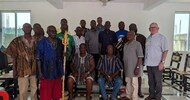
Peasants from more than 19 districts affected by the ProSavana programme and other organisations reiterate their rejection of the ProSavana programme, as it has been advancing against their expressed will for the last four years.

5月6-7日に「プロサバンナにノー!」キャンペーンの「合意形成と抵抗に関する会議」が、モザンビークのナンプーラ市で開かれ、次の組織およびグループから約70名の人々がこの会議に参加しました。このキャンペーンに参加する諸組織の代表、プロサバンナの影響を受けるナンプーラ、ニアサ、ザンベジア州の19郡の小農、カーボ・デルガード州の小農の代表者、およびカトリック教会「ナンプーラとナカラ大司教区平和と正義委員会」の代表者などです。
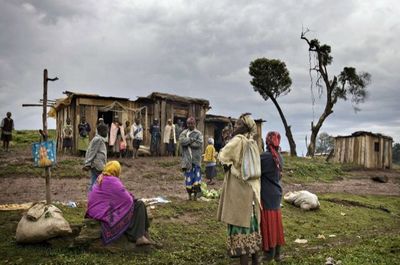
El 'land grabbing' atrajo a inversores y especuladores para producir materias como biocombustibles y comida. Hoy en día Emiratos Árabes Unidos se sitúa a la cabeza de este tipo de transacciones, pues realiza el 12% de las adquisiciones y 'leasing' de tierras en el mundo.
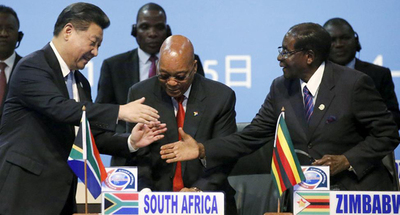
The Chinese role in agriculture – in terms of business investment, technology transfer, demonstration efforts, training and more – is growing, and shaping perceptions.
プロサバンナ事業「市民社会関与プロジェクト」対する抗議声明 〜抜本的な見直しに向けた要請〜

Loro Horta reports on recent Chinese overseas investment in agriculture in the Lusophone world
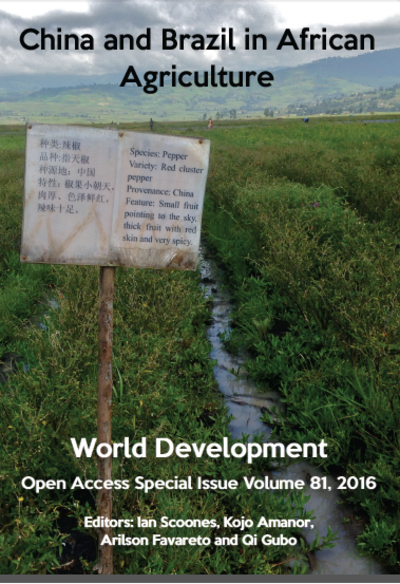
A new Open Access Special Issue in World Development based on our work on the changing role of China and Brazil in Africa’s agriculture is now available