IRIN | 10 June 2009
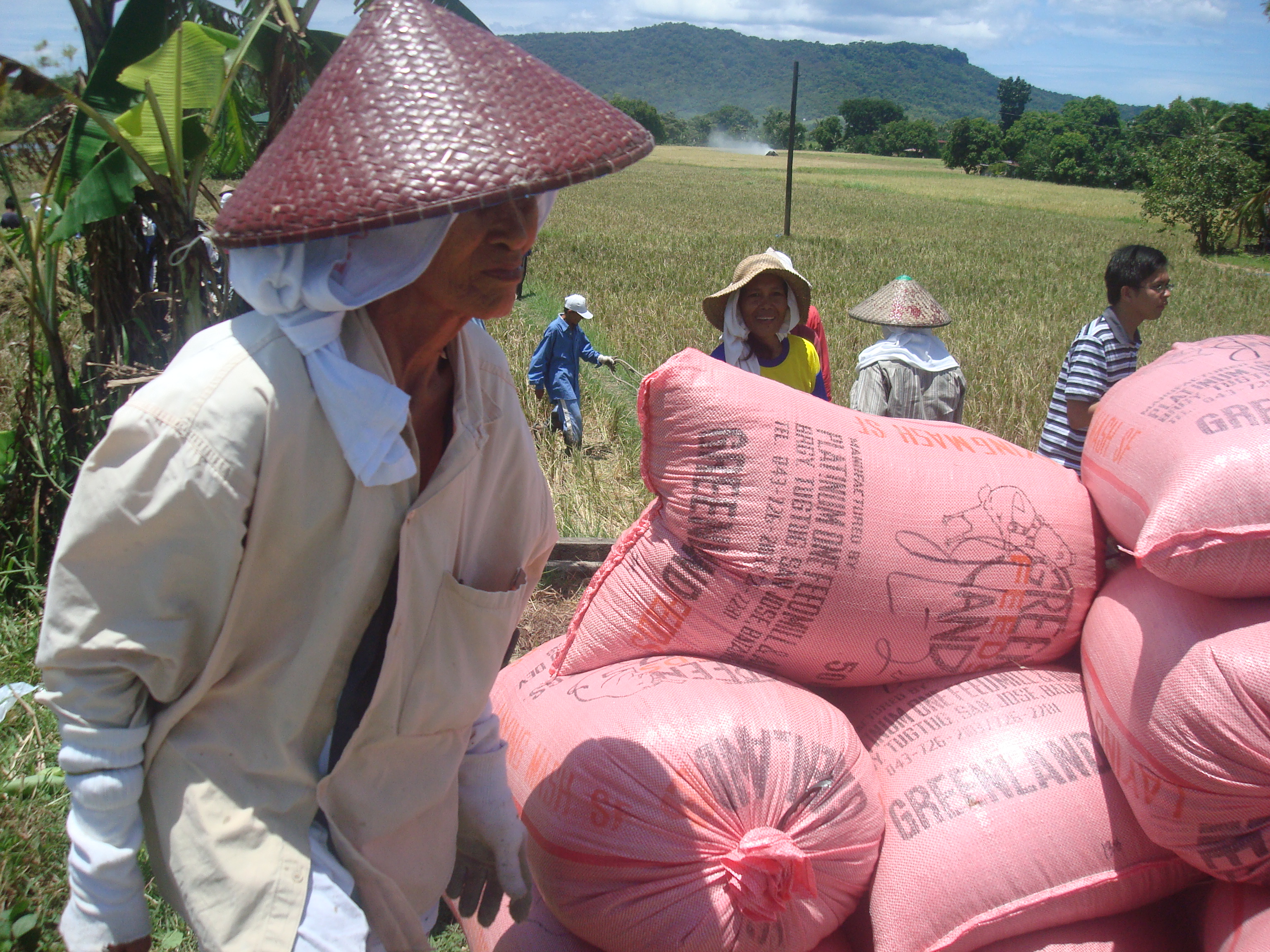
PHNOM PENH, 10 June 2009 (IRIN) - Sam Pov, a rice farmer in Cambodia’s western Battambang Province, is very worried that his land will be taken over by a foreign investor.
"I've heard the rumours about [Kuwait and Qatar]. I heard they might get our land because they need food," he said.
"The commune leaders haven't talked to us yet, and I don't think they will if the time comes. This is a good time for them to get paid and get huge benefits."
Last year, delegations from oil-rich Kuwait and Qatar visited the impoverished nation, eyeing leases on land to export food back home - a move that could leave many Cambodians without enough food, say activists and NGOs.
Kuwait has reportedly offered US$546 million to the Southeast Asian nation in loans for dams and roads, while Qatar will invest $200 million in agriculture.
And while the government has not yet announced what the Gulf States will get in return, they have publicly expressed interest in the country’s farmland.
|
Land grabbing in Asia
CAMBODIA:
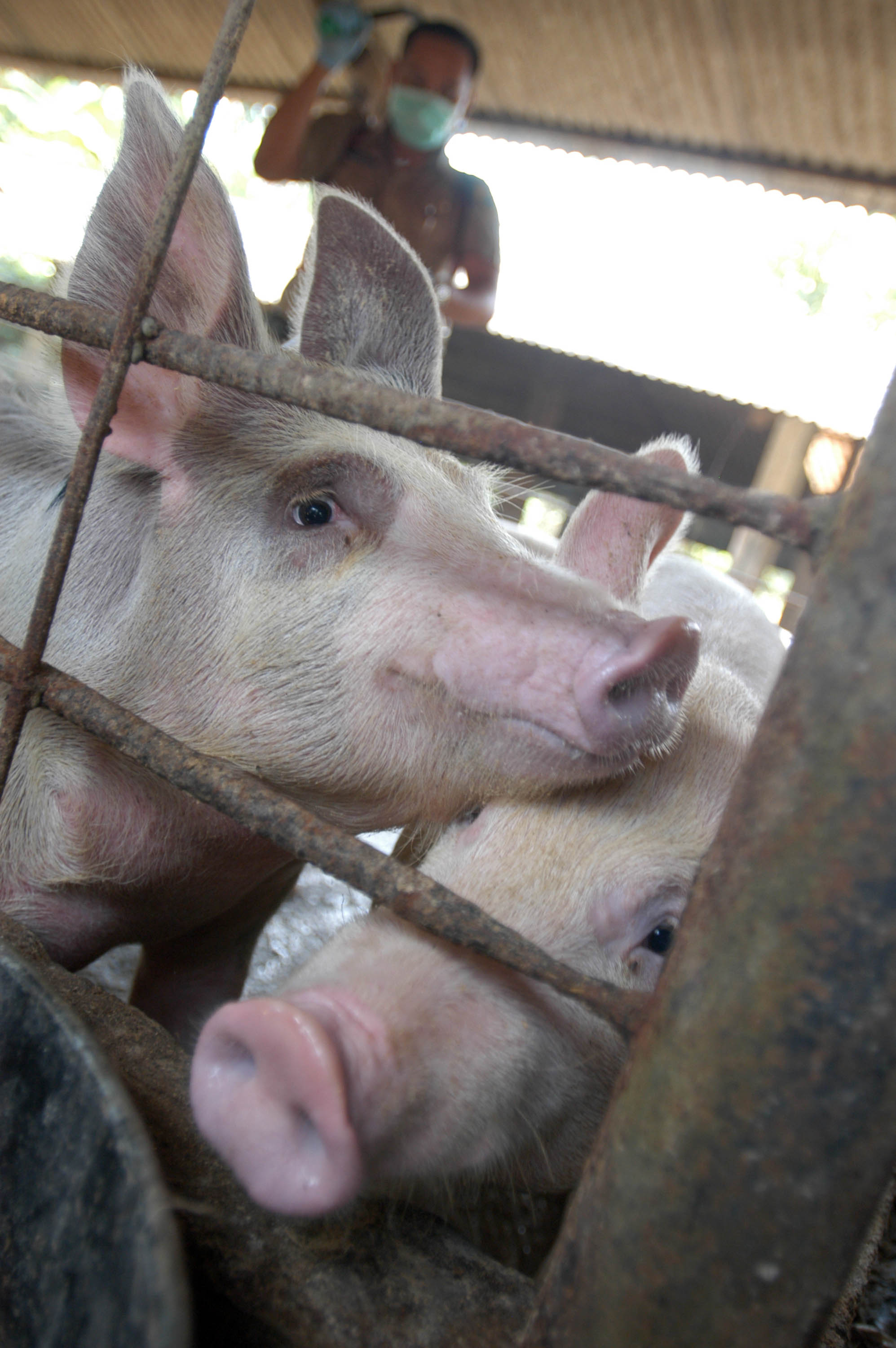
• Land being leased by Kuwait for rice (in negotiations) • 100,000ha rubber plantation secured by VietnamLAOS: • 100,000ha rubber plantation secured by VietnamPHILIPPINES: • 10,000ha for agro-fishery secured by Bahrain• 100,000ha for Qatar • 1.24 million hectares for an unknown company in China (on hold)INDONESIA: • 500,000ha, a $4.3 billion rice investment, secured by Bin Laden Group of Saudi Arabia (on hold)CHINA: • 10 poultry farms worth $300 million and pig farms for $250-300 million purchased by Goldman Sachs of USASource: International Food Policy Research Institute |
 [/caption]
Food insecurity
The problem of land grabbing by foreign investors and governments, however, extends well beyond the confines of Cambodia.
Elsewhere in Asia similar examples can be seen, as well as in Africa. According to the Washington-based International Food Policy Research Institute (IFPRI), between 15 and 20 million hectares of farmland in such countries have been subject to transactions or negotiations since 2006.
IFPRI estimates the value of such deals at up to $30 billion.
Ever since high food prices in 2007 and 2008 raised the prospect of food insecurity for countries without much farmland, Kuwait, Qatar, Saudi Arabia and the United Arab Emirates (UAE) have scoured Asia for land.
China, which has to feed more than one billion people, is also looking to Southeast Asia to sustain its breakneck growth.
"Not only will it displace small farmers as such investments have done in Indonesia," said Amitava Mukherjee, head of the UN Asian and Pacific Centre for Agricultural Engineering and Machinery in Beijing, "but it will also have serious environmental consequences … [and] given that UAE and Kuwait are leasing land, not buying it, [they] would have no interest in long-term development of the farmland they are seeking access to".
He added that the comments were his own and did not reflect the views of the UN.
In Kamukhaan village in the Philippines, such effects have become well documented, according to the AHRC.
Since a Filipino company took over 613ha in the village to build a banana plantation in 1981 - to supply US-based fruit company Dole - hundreds of villagers have suffered skin and respiratory ailments from pesticide use, the group claims.
"The farmers had lost their farmland, their children, their natural sources, their health and their future," Ju said.
"Now the Philippines' food sovereignty is absent and the self-sufficiency is almost zero," she claimed.
In the Philippines this year, Bahrain secured 10,000ha for agro-fishery, Qatar leased 100,000ha, and an unknown company from China leased 1.24 million hectares, though the deal has been put on hold, according to an April policy briefing by IFPRI.
Such deals are often done in secret, it says, stopping civil society groups from overseeing the terms and defending the rights of local farmers.
In Myanmar, Chinese companies have driven farmers off their land to cultivate an oil plant, according to Welt Hunger Hilfe, a German NGO.
The farmers already faced seasonal changes that threatened food security, but had their last source of food taken from them by the government, the group says.
[/caption]
Food insecurity
The problem of land grabbing by foreign investors and governments, however, extends well beyond the confines of Cambodia.
Elsewhere in Asia similar examples can be seen, as well as in Africa. According to the Washington-based International Food Policy Research Institute (IFPRI), between 15 and 20 million hectares of farmland in such countries have been subject to transactions or negotiations since 2006.
IFPRI estimates the value of such deals at up to $30 billion.
Ever since high food prices in 2007 and 2008 raised the prospect of food insecurity for countries without much farmland, Kuwait, Qatar, Saudi Arabia and the United Arab Emirates (UAE) have scoured Asia for land.
China, which has to feed more than one billion people, is also looking to Southeast Asia to sustain its breakneck growth.
"Not only will it displace small farmers as such investments have done in Indonesia," said Amitava Mukherjee, head of the UN Asian and Pacific Centre for Agricultural Engineering and Machinery in Beijing, "but it will also have serious environmental consequences … [and] given that UAE and Kuwait are leasing land, not buying it, [they] would have no interest in long-term development of the farmland they are seeking access to".
He added that the comments were his own and did not reflect the views of the UN.
In Kamukhaan village in the Philippines, such effects have become well documented, according to the AHRC.
Since a Filipino company took over 613ha in the village to build a banana plantation in 1981 - to supply US-based fruit company Dole - hundreds of villagers have suffered skin and respiratory ailments from pesticide use, the group claims.
"The farmers had lost their farmland, their children, their natural sources, their health and their future," Ju said.
"Now the Philippines' food sovereignty is absent and the self-sufficiency is almost zero," she claimed.
In the Philippines this year, Bahrain secured 10,000ha for agro-fishery, Qatar leased 100,000ha, and an unknown company from China leased 1.24 million hectares, though the deal has been put on hold, according to an April policy briefing by IFPRI.
Such deals are often done in secret, it says, stopping civil society groups from overseeing the terms and defending the rights of local farmers.
In Myanmar, Chinese companies have driven farmers off their land to cultivate an oil plant, according to Welt Hunger Hilfe, a German NGO.
The farmers already faced seasonal changes that threatened food security, but had their last source of food taken from them by the government, the group says.